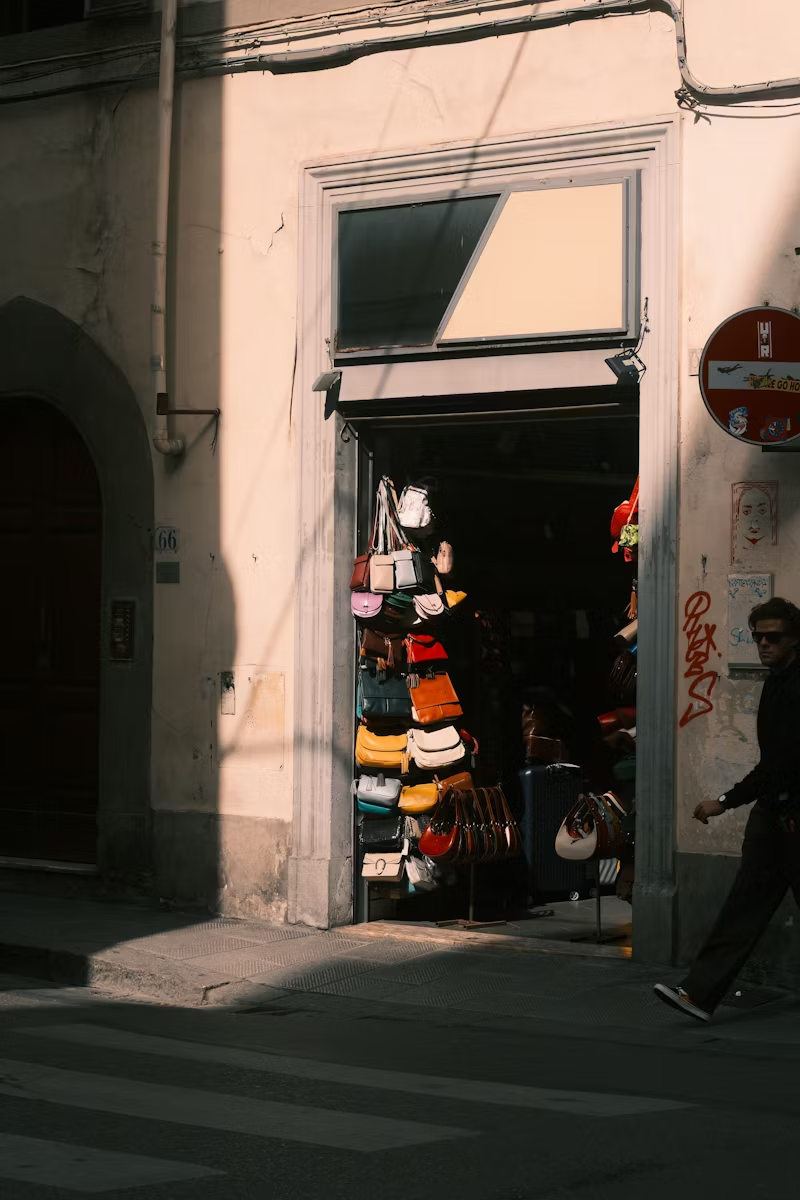

The cobbled stones push my feet sideways as I walk along the alleyway in the chest of Paris. My heart and the city’s beat steadily with the slow yet steady pace of foot traffic. I choose a cafe that seems to have a fair amount of chairs full, and sit at an open table on the terrace. I order a coffee, and take a deep breath, inhaling the smell of sun and cigarettes. I open my gaze toward the street, where a scene that seems like it’s from “101 Dalmatians” greets me. Dogs matching their owners walk by, children chase leaves into the street before being yanked back by their parents and young adults group together to converse over a cigarette. The dust in the air even walks itself into beams of light, seemingly just to boast the beautiful architecture of the city.
In Paris, your feet become slow, bikes become as fast as cars and cars seem supersonic (especially if you accidentally run in front of one, which I’ve done a few too many times). A seat at a Parisian cafe opens a new world, one where daydreaming is promoted and where time seems to pass by without notice. Every moment becomes filled with a new thought, and each thought becomes a sort of meditation.
Of course, this is quite a romantic depiction of the city of Paris. I am not even scratching the surface of the diverse cultural demographic that exists here. At the underbelly of the city exists a unique grit and a distinct set of unspoken rules that are repaid with not-so-sly judgmental glances if broken. One of my favorite of these rules, however, is that it is imperative to general wellbeing to take a moment to have a conversation and judge strangers.
That is a very on the nose way to say it, but it is true. A nicer way would be taking observations, but if I may say, these two words are one in the same. It’s the action that accompanies them that changes their connotation.
In America, it is seen as offensive to sit and stare at people, and there is an unspoken tone of laziness that comes with enjoying the moment. In some ways, it is implied that to take a break is to lose all progress and success you have had and will ever be able to have. On our billboards are plastered faces of lawyers ready to jump on any case, pictures of hospitals with the hardest workers and in offices are administrators breathing down necks to extract a next step in action from their employees. Sayings like “the grind never stops” and “fake it ‘till you make it” are engrained in our youth. It is a quite dismantling way of thinking – it is impossible to work 24/7 and have all 24 of those hours be successful. In a culture of curating success, the hustle is the only value to life; on the contrary, the French argue, why not take a break to reset in the time that would have been “unsuccessful” in the first place?
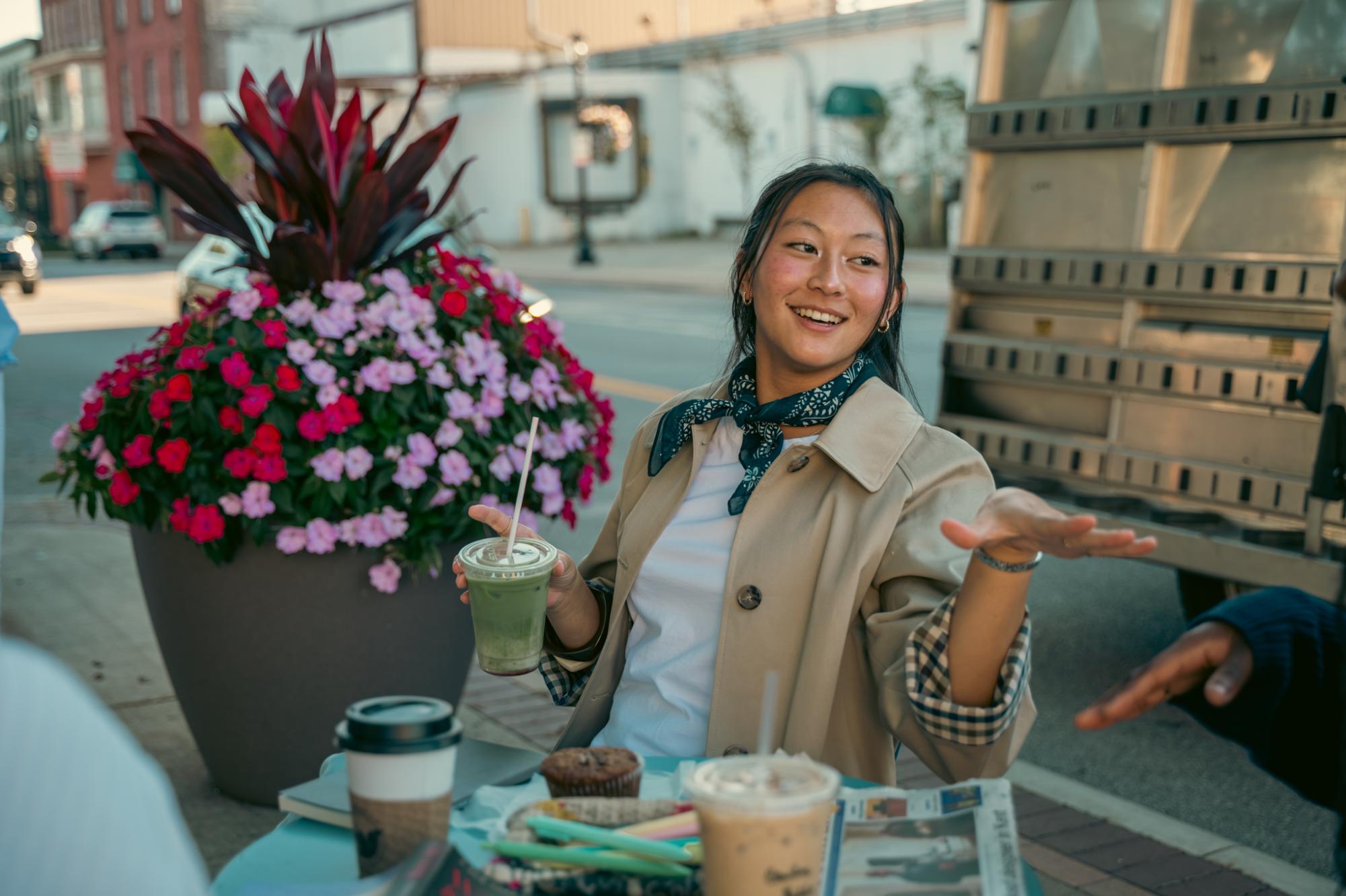
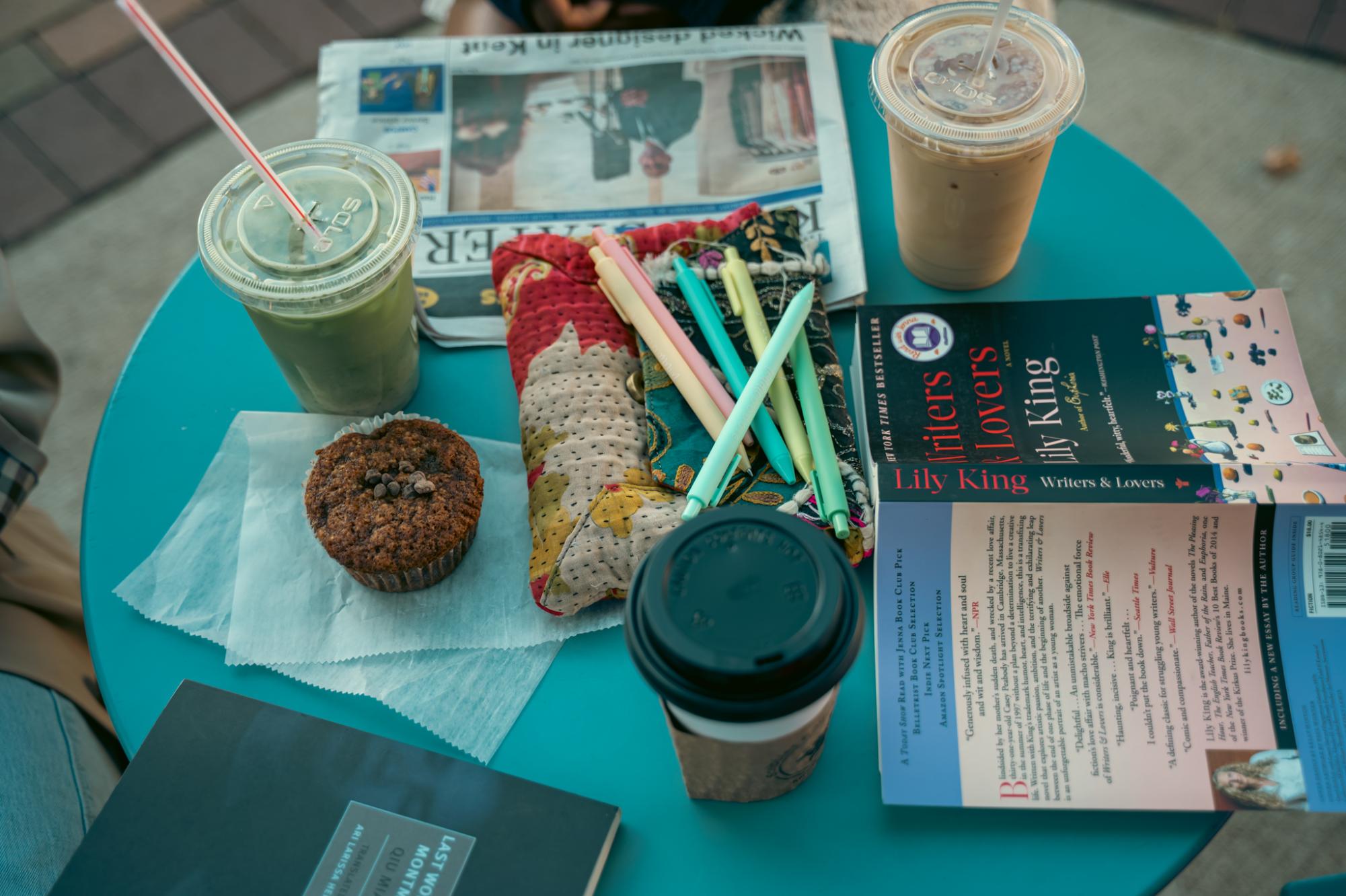
In Paris, to take a break is to recharge your mind, and to watch people is to become an active member of your community. Sitting with a friend and having a long chat, or being alone and staring into a book is a way to socialize. It is a part of culture, a part of the unspoken rules of the city. There is no judgement in its usual connotation, only observation of others. A pause isn’t a luxury, but is a simple necessity to everyday life. Beneath and through this practice comes a marching tone of contentment, steadfastness and ingenuity. It is a quality of Paris that in my short time here I have come to appreciate.
Staring being seen as offensive isn’t just an American social expectation either. In her article titled “The Pure Joy of People Watching,” Judy Rumbold shares the same difference between British culture and Parisian culture. She wrote that staring in Britain is considered heinous in societal norms, and pins it as almost a fight-starter. She explains her observation, that in Paris, is the exact opposite. If you aren’t looking at someone, there is a judgmental thought that is going unsaid.
Cultural rules present or not, we all judge people constantly. It is unavoidable as our brains work on an input-output basis. We take in our surroundings, survey the situation, decide if we like it or not and make a decision based on our conclusion. Without judgement, we would not make friends, have partners or decide to keep in touch with those we love. It is through judgement that we find community and a sense of belonging.
While abroad, I have found myself searching for my sense of community through judgement. I’ve found that I miss home in Ohio, with long car rides through the countryside while blasting music, or shooting a smile at someone I make eye contact with in the grocery store and getting one back. But enjoying the art of people watching in Paris, a place it is widely accepted, has helped me come to realize that it is okay to take a breath even if you’ve only done an hour of work. With this relaxation, I’ve noticed each moment in my day is genuinely more enjoyable, which has led to more inspiration and greater sense of self when I have the opportunity to apply myself in class.
Taking a step back from my community to observe has been important, and I would dare to say it has already brought me closer to a sense of belonging. It is easy to say from a romantic city, but I am certain I will be bringing this mindset home with me. Whether it’s from a Parisian cafe or a plain streetside in the good ‘ole USA, I’ve learned that no matter where you are in the world, if you build the ability to take a step back and appreciate where you are, good or bad, a world of offerings opens before you that you did not see before.
-
Photos by Lillian Glaze

-

-
-
-

-

-








Support Student Media
Hi! I’m Hannah Planey, A Magazine’s editor-in-chief. My staff and I are committed to bringing you the most important and entertaining news from the realms of fashion, beauty and culture. We are full-time students and hard-working journalists. While we get support from the student media fee and earned revenue such as advertising, both of those continue to decline. Your generous gift of any amount will help enhance our student experience as we grow into working professionals. Please go here to donate to A Magazine.