
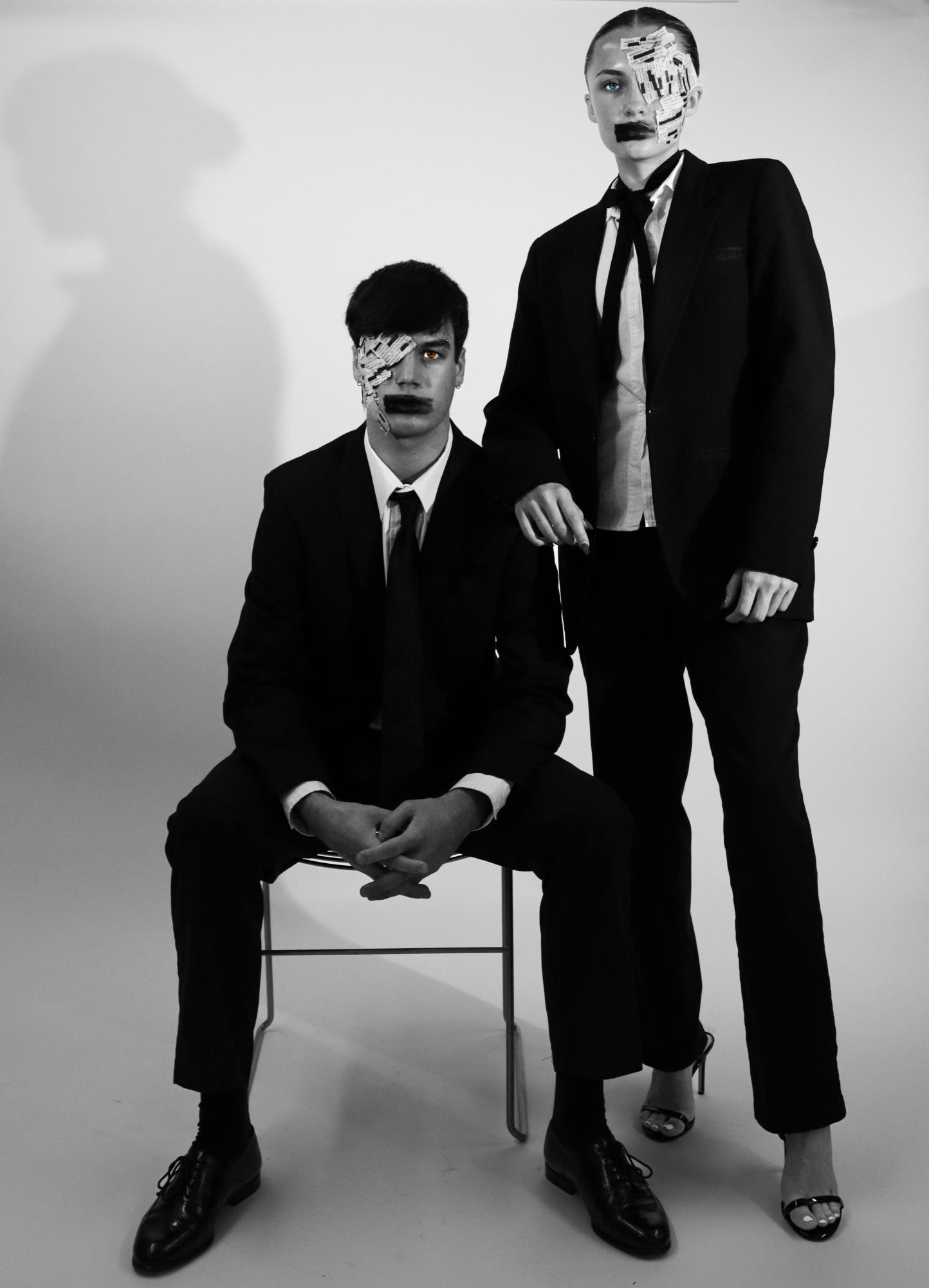
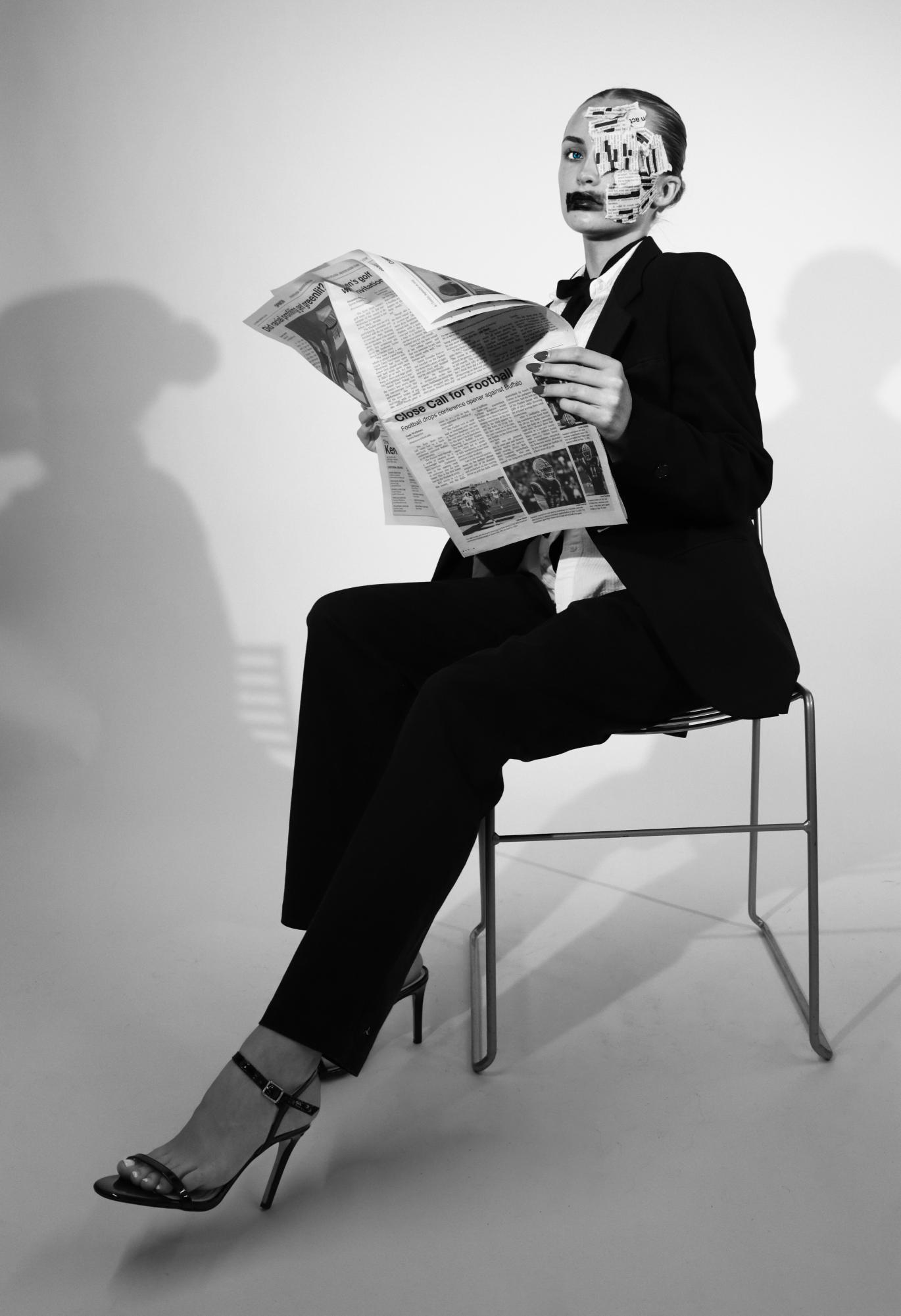
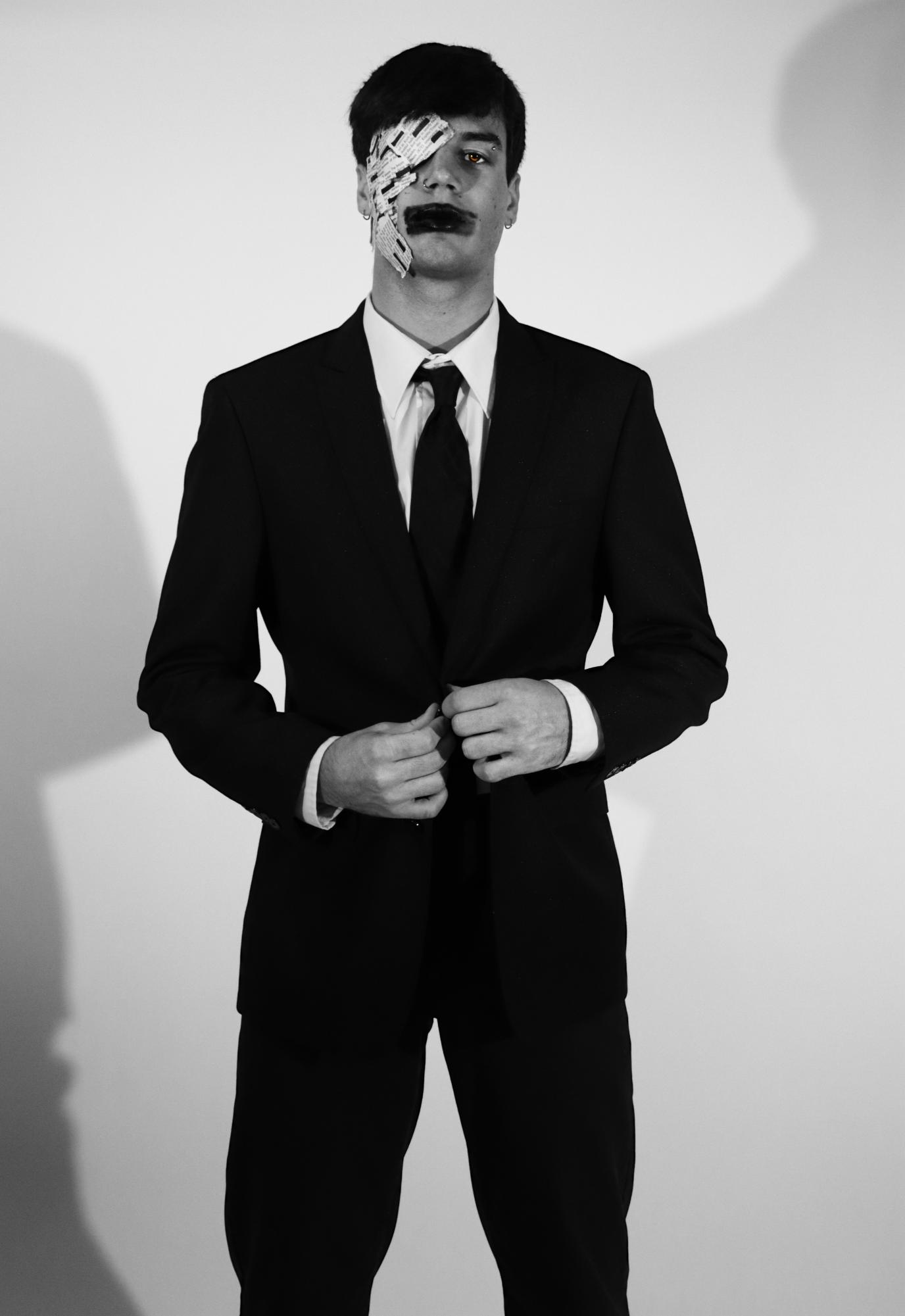
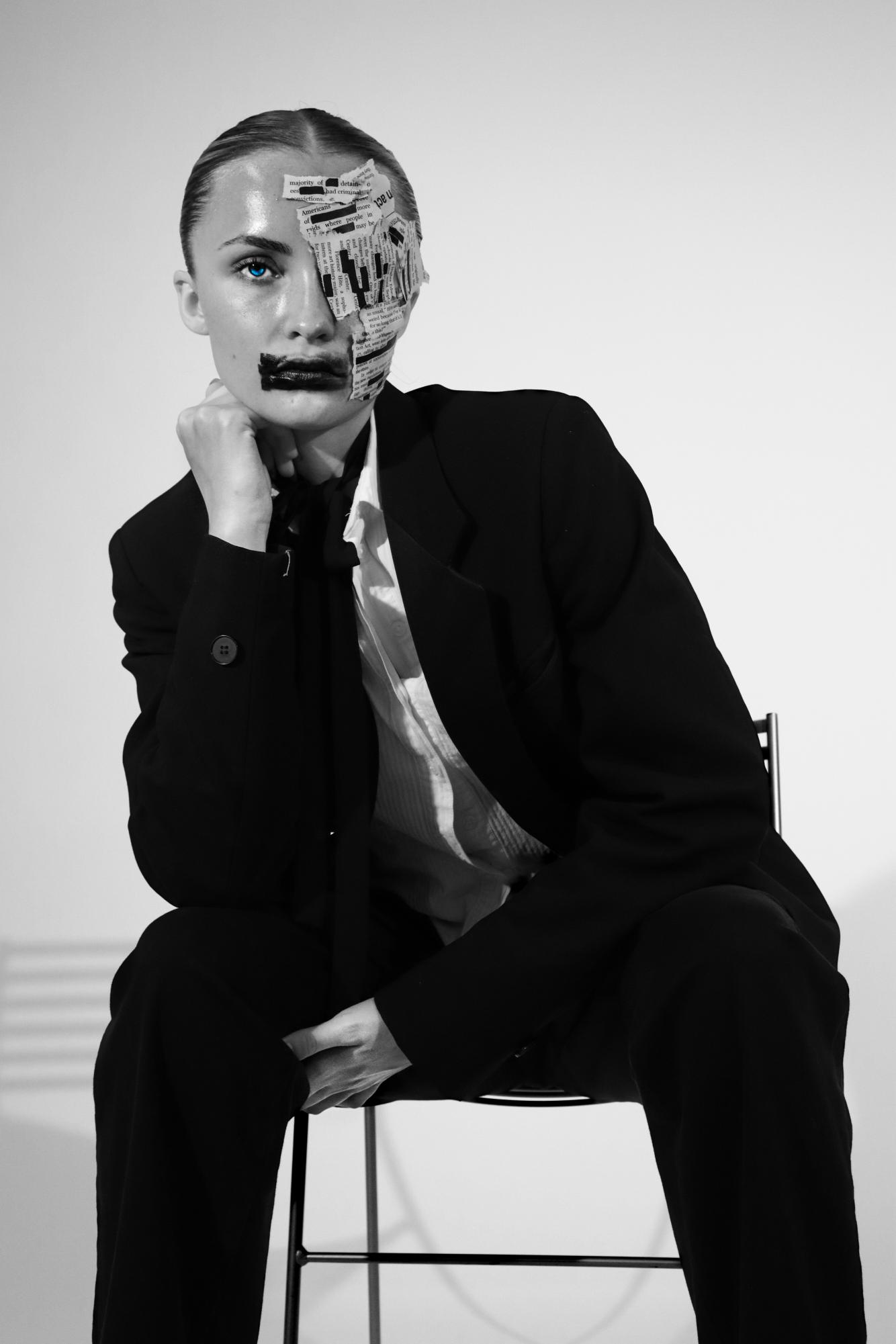
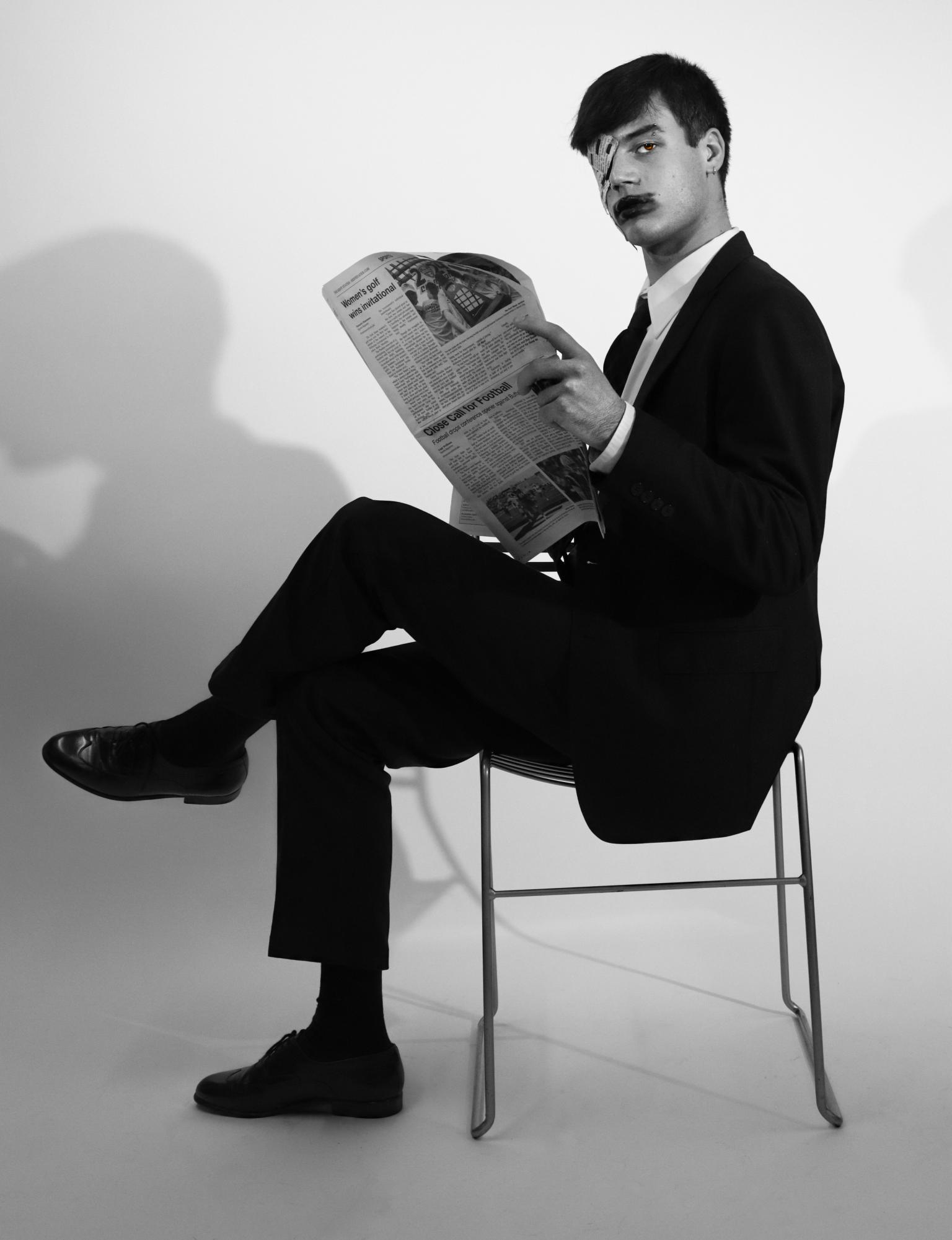
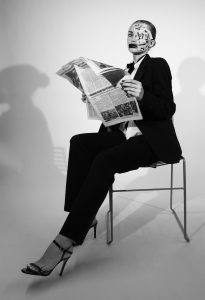
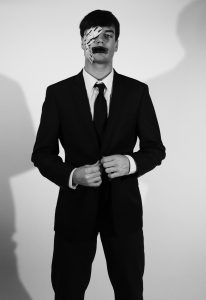
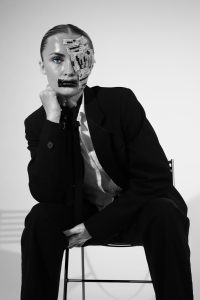
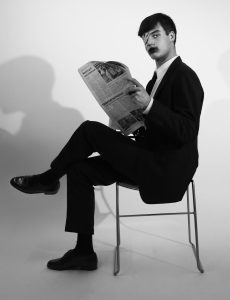
Censorship is defined in the Cambridge dictionary as “the action of preventing part or the whole of a book, film, work of art, document or other kind of communication from being seen or made available to the public, because it is considered to be offensive or harmful, or because it contains information that someone wishes to keep secret, often for political reasons.”
This word and definition have seen a lot of meaning lately, especially with current events in the U.S.
On Sep.17, “Jimmy Kimmel Live!” was suspended, supposedly indefinitely, after Kimmel’s remarks about right-wing activist Charlie Kirk’s death. This led to speculation about the state of censorship in the United States.
While censorship has been around since the U.S. gained independence, it’s beginning to become more of an issue in recent years. One recent example of this would be the book bans.
PEN America has documented “nearly 16,000 book bans in public schools nationwide since 2021, a number not seen since the Red Scare McCarthy era of the 1950s.”
A lot of these banned or challenged books include topics like racism, LGBTQ+ issues, gender and even history. Some examples include “The Handmaid’s Tale,” which tells the story of a dystopian society in which women are not permitted to read and are essentially used as breeding machines. “And Tango Makes Three” is another example about the true story of two male penguins who adopted a chick at the Central Park Zoo.
The states banning and challenging these books try to explain their actions with reasons such as the books containing “illegal obscenity,” according to Marshall Libraries.
This is obviously untrue, however, as “And Tango Makes Three” is just one example of a book that contains no obscenity but was challenged by Missouri regardless. Though censorship seems to be on the rise as of lately, it has a deep rooted history within the United States.
The first example of censorship dates all the way back to the 1630s, when Thomas Morton, an early colonist, wrote about what is now Massachusetts. He wrote “critically about Puritans, their government and their treatment of Native Americans,” as detailed by Cara S. Bertram for American Libraries Magazine. The Puritan government of the time did not take lightly to this and banned the book in its New England colonies.
After the 1600s, anti-literacy laws were passed to make sure that enslaved people couldn’t learn to write. This was to ensure that their voices were silenced and that materials opposing slavery didn’t reach the public. Congress then passed the Comstock laws in 1873, which prohibited the U.S. Post Office from sending “obscene” or “lewd” material. This material could range from anything such as sex education booklets to information about contraception, wrote Bertram.
Though it seems we’ve long moved past the days of the Comstock laws, there are many similarities that can be seen between then and now.
Social media is a place many people have gone to express themselves freely; clearing their mind, venting about something that frustrates them or communicating their political opinions. In the early years of social media, these actions seemed to come without consequences. In recent years, though, more social media users started to see what could happen if they expressed their opinions.
It seems that just after 2020, certain words and phrases started to need censoring by social media platforms. These words include references to death and sex, two normal parts of life that find their way into many conversations. Many other words often get flagged on social media sites like Facebook, including words relating to women’s health and anatomy.
Words getting censored online isn’t the worst of many people’s worries. After the death of Charlie Kirk, many people took to social media to voice their opinions about the way the government has handled the situation. This led to multiple people being fired from their jobs. Of these, a “political pundit, a university employee, a sports reporter and a U.S. secret service agent,” according to Megan Cerullo for CBS News.
Though technically it’s legal for private companies to fire employees based on public statements, this instills fear in employees that their opinions could land them without a job, which reminds many of censorship.
While the days of harsher censorship are behind us, the future is still unclear. As the government can try to limit our freedom of speech and press, there’s power in numbers and, ultimately, power in words.
Support Student Media
Hi! I’m Hannah Planey, A Magazine’s editor-in-chief. My staff and I are committed to bringing you the most important and entertaining news from the realms of fashion, beauty and culture. We are full-time students and hard-working journalists. While we get support from the student media fee and earned revenue such as advertising, both of those continue to decline. Your generous gift of any amount will help enhance our student experience as we grow into working professionals. Please go here to donate to A Magazine.