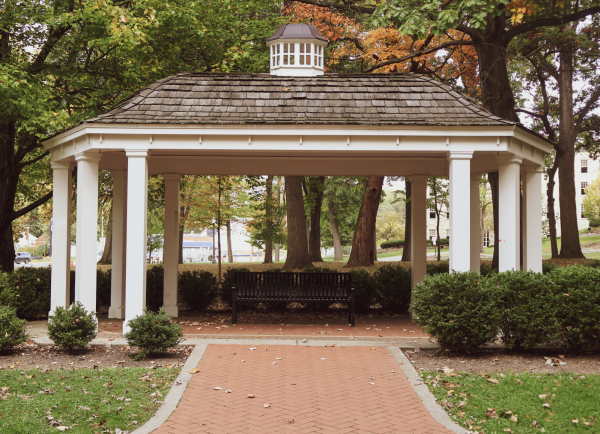
There is a slowly fading art form that nearly all of us have engaged in whether we realize it or not – the art of the “third space.”
Think of your local coffee shop, the YMCA down the street, a neighborhood rec center or any space where people gather not for work or home responsibilities, but simply to be in community with others. These are third spaces: neutral, communal grounds that encourage connection.
The term was coined by sociologist Ray Oldenburg in his 1989 book “The Great Good Place.” He defined third spaces as places we frequent outside of home (the first space) and work (the second). They offer a level playing field where people from all ends of the earth can interact, free of the usual hierarchies and social ranks.
Third spaces do more than just level the social playing field. They offer critical environments for personal growth, especially for children and young adults. Studies show that regular participation in such spaces makes “children seven percent more likely to attend college or earn a degree.” These environments foster self-confidence, emotional development and a sense of identity, all as a result of simple human connection.
That connection does not have to be profound. It could be your local barista remembering your name or the gym front desk attendant commenting on your new haircut. These small moments accumulate into something powerful, a sense of belonging.
Unfortunately, true third spaces are becoming harder to find. The COVID-19 pandemic accelerated our shift into isolated, digital lives. We mastered Zoom meetings, remote work and food delivery—all from the comfort of home. While there was a brief resurgence of third spaces once restrictions lifted, that momentum has sadly faded. Many now opt to read on their Kindle instead of going to a local library or prefer ordering in over dining out.
Beyond changing habits, accessibility has become a barrier to many of these spaces. The unspoken rule now seems to be: to stay, you must pay. To linger in a coffee shop, you must buy a drink. To use a rec center, you have to pay for a membership. What once were neutral grounds are increasingly commercialized, making it harder for people, especially young people and those with fewer resources, to participate in these communal spaces.
These spaces are essential because they foster a place where strangers can become regulars and where regulars can bring new strangers into the fold. What once was a random place you stopped into on a whim has now become “your place” and you are able to create spontaneous, meaningful human connection by simply frequenting it.
The little things like this prove the importance of the third space to our culture and show that without them we risk losing more than just coffee shops or community centers, we risk losing the glue that binds us all together.
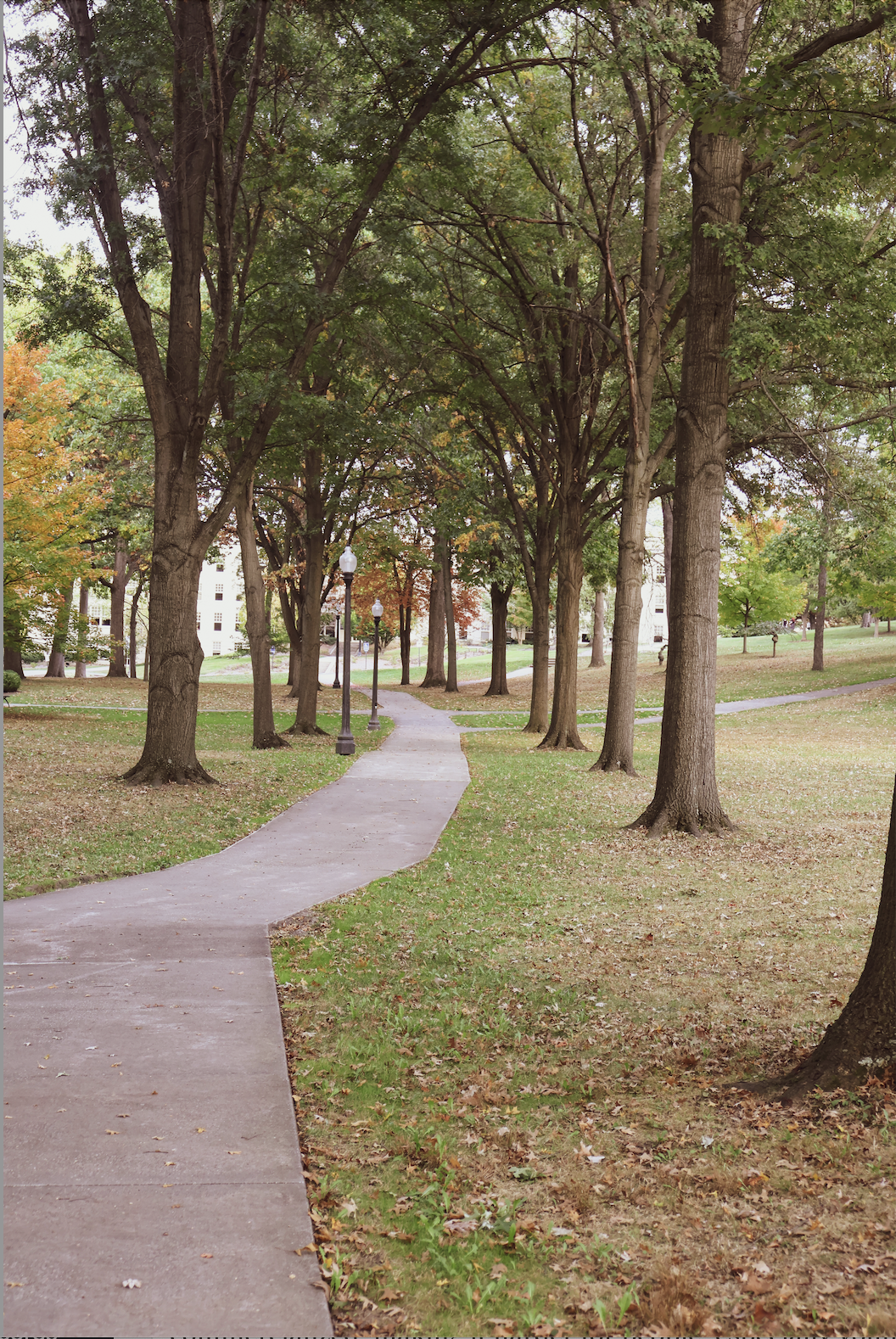
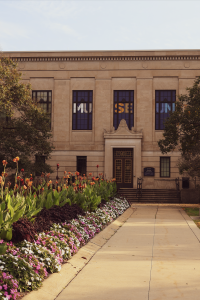
As an addition to this piece, I wanted to provide some of my favorite third spaces I have found here at Kent and encourage you to try them out or find some of your own!
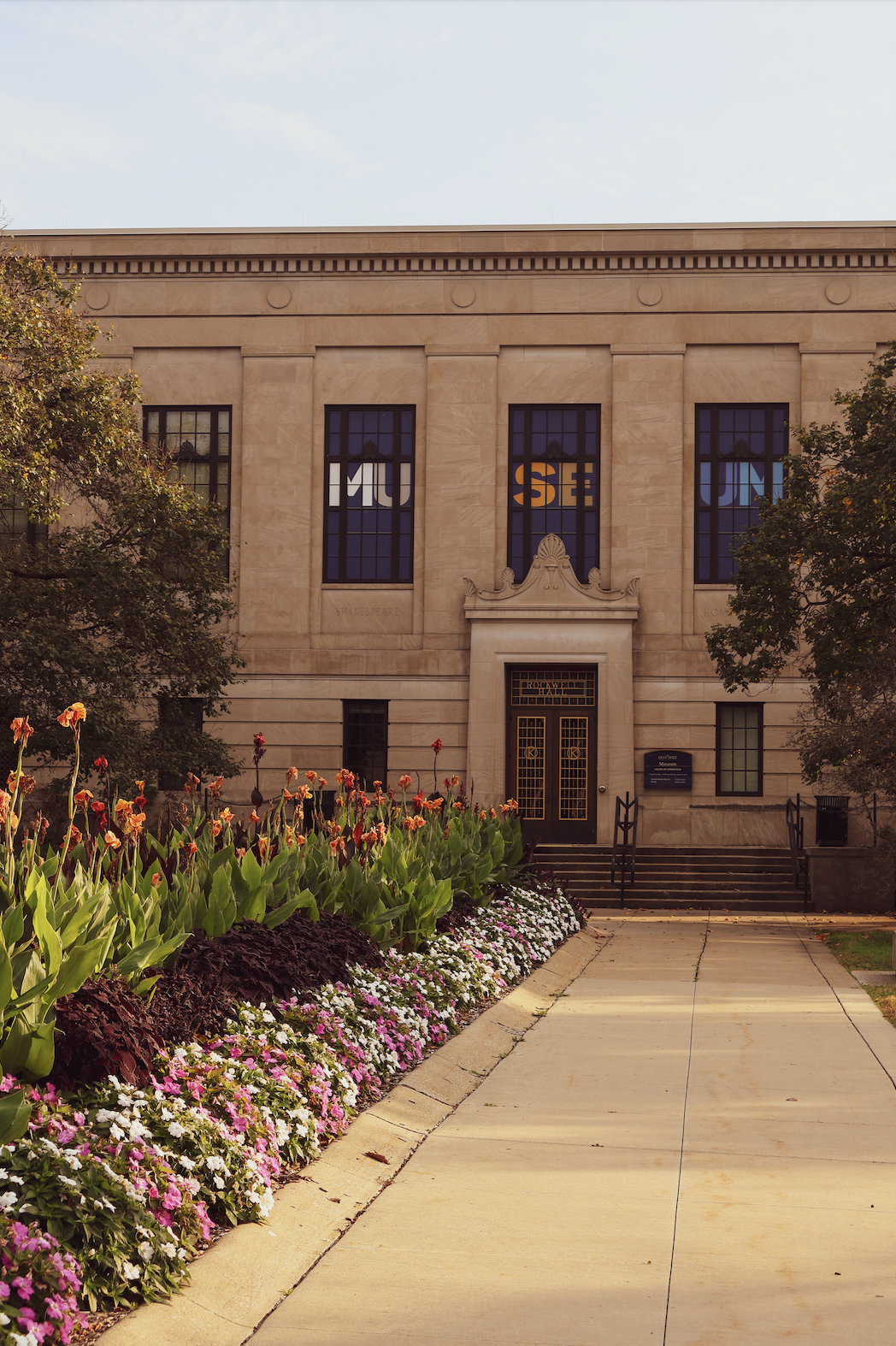
- The Kent State University Museum
- The Beverly J. Warren Student Recreation and Wellness Center
- The Wick Poetry Corner on the second floor of the Library
- The Balconies at Eastway (specifically in the morning when the sun is shining!)
- The Kent Student Center Second Floor (The chairs near the window are especially nice!)
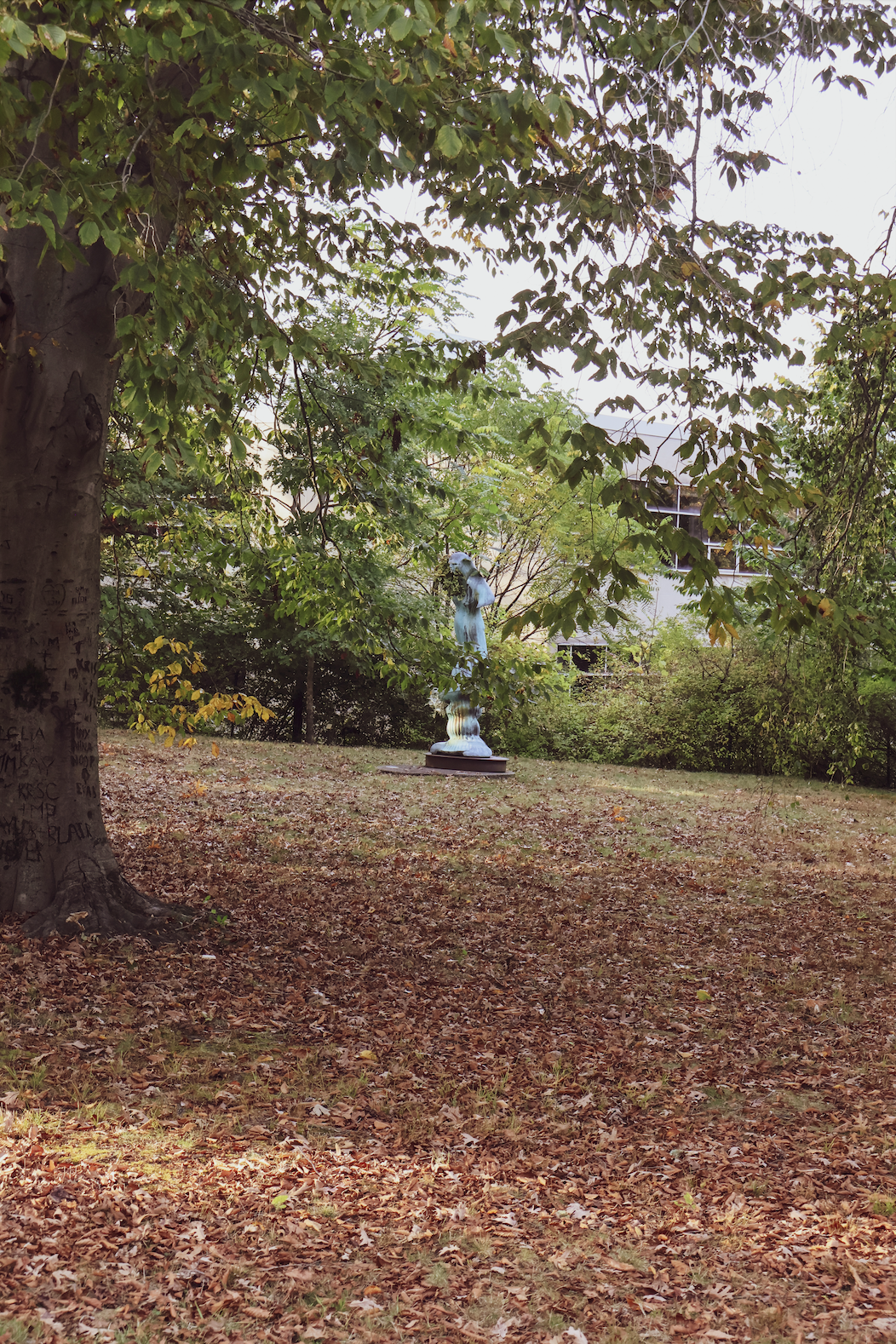
- The Gazebo and field outside of Rockwell (Genuinely feel like I am a fairy in a forest here)
- Any of the Centennial Court Lounges (if you are so lucky to have access to them or have a friend who can let you in!)
- The Haymaker Farmers’ Market (just chill and listen to some music!)
- The benches in front of Acorn Alley
- The fountains by the student center and in front of the psychology building (lovingly referred to as the trickle and the truckle by my friends and I!)
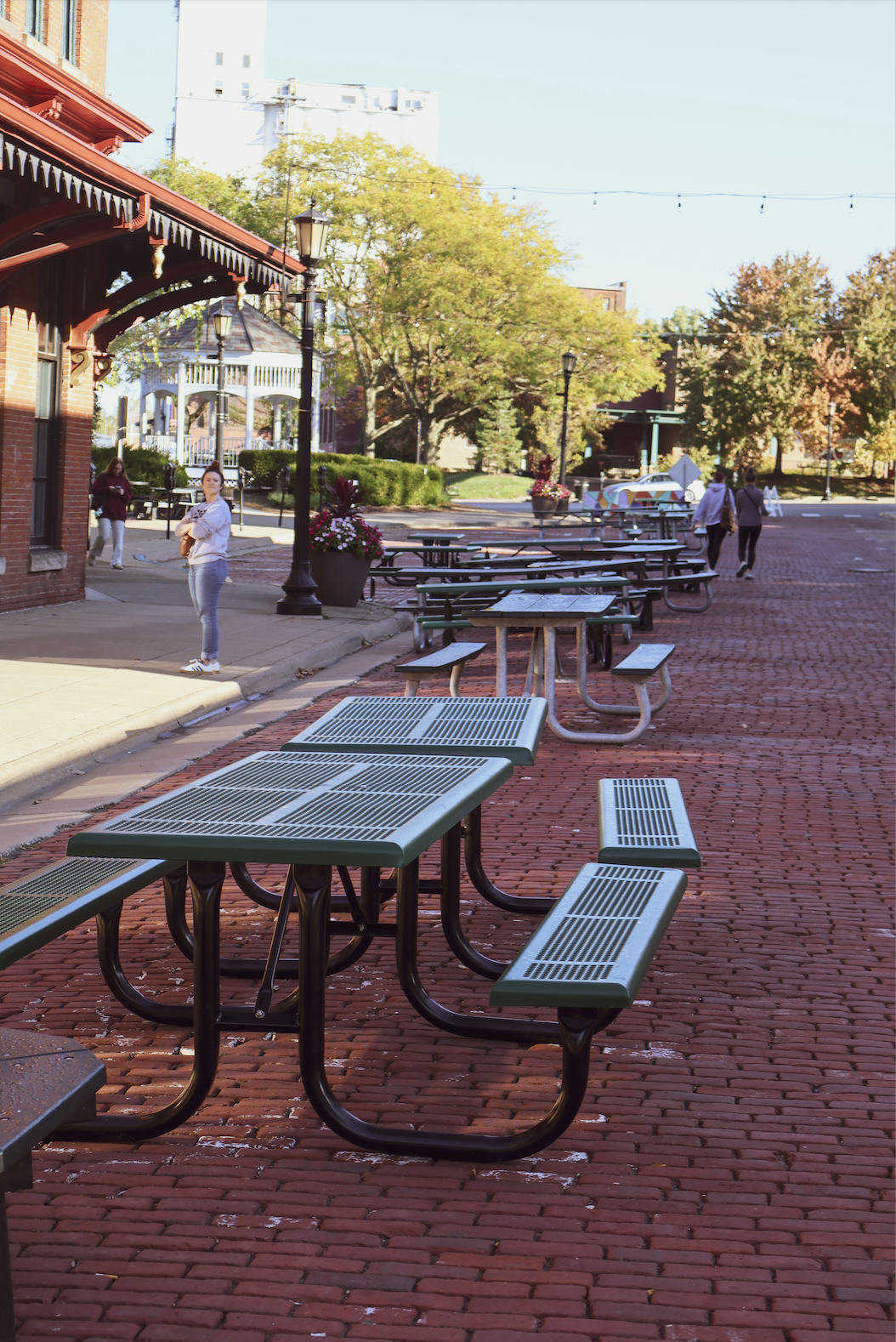
- The benches outside of Over Easy At The Depot in downtown Kent
- The lobby of the CUE (Center for Undergraduate Excellence)
- The picnic tables between the Tri Towers and the Centennials
- Victory Field near Taylor Hall
-
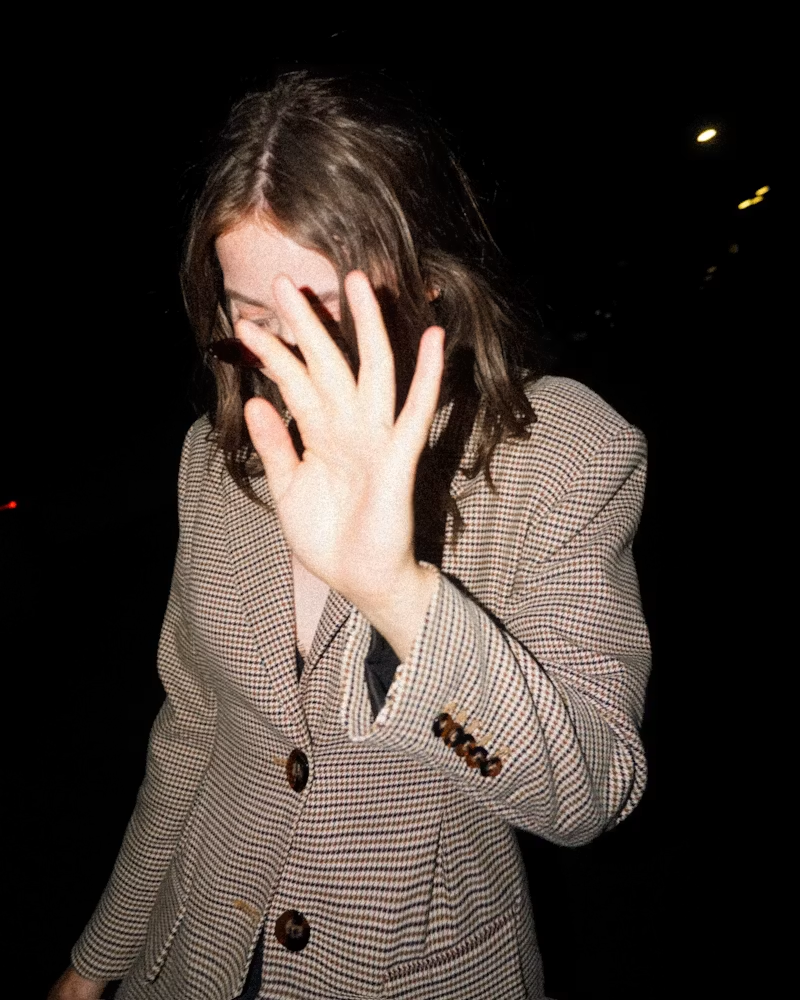
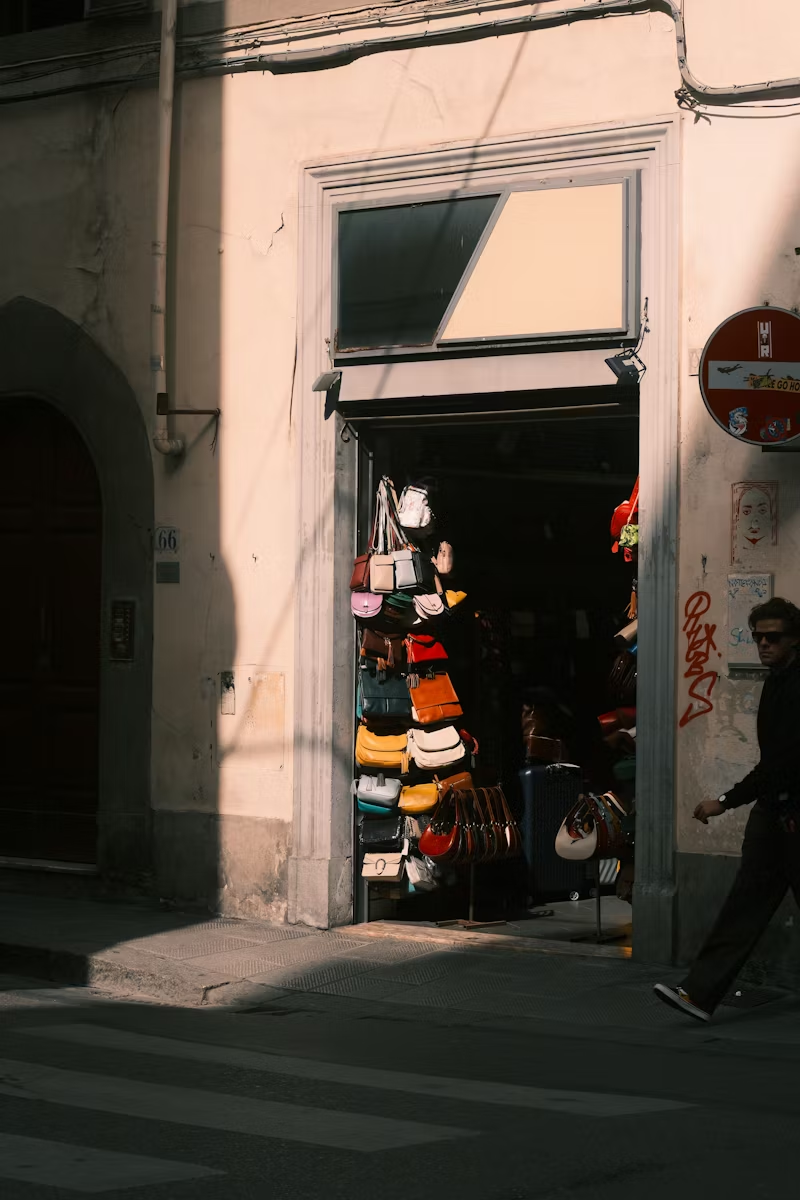
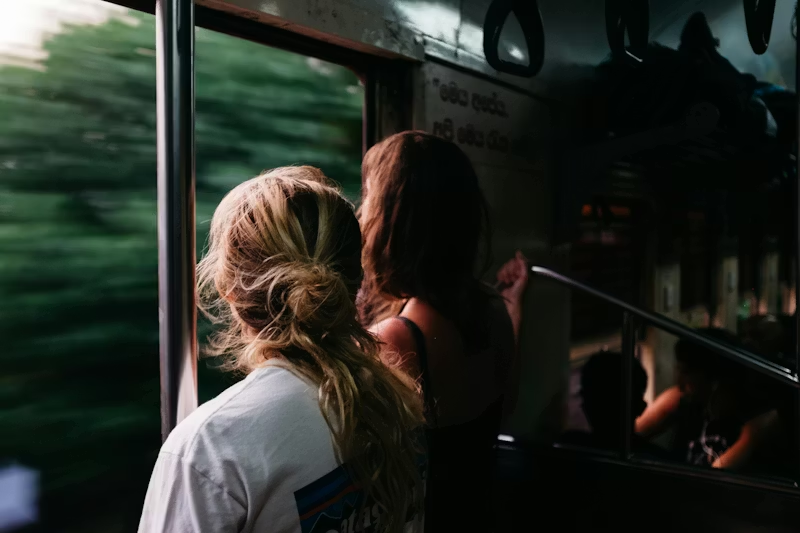
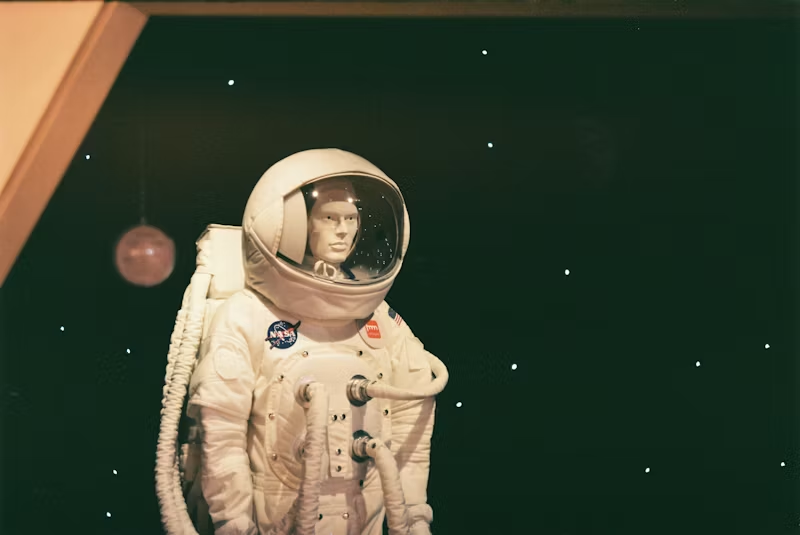
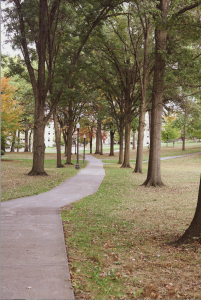
Photos by Susanna Searls
-
-
-
Support Student Media
Hi! I’m Hannah Planey, A Magazine’s editor-in-chief. My staff and I are committed to bringing you the most important and entertaining news from the realms of fashion, beauty and culture. We are full-time students and hard-working journalists. While we get support from the student media fee and earned revenue such as advertising, both of those continue to decline. Your generous gift of any amount will help enhance our student experience as we grow into working professionals. Please go here to donate to A Magazine.