Move over Olivia Rodrigo, Sabrina Carpenter and Tate McRae, weird girls in pop music are officially back. Audrey Hobert’s debut album “Who’s the Clown?” was meant for the girls who are chronic over thinkers and relate to Sue Heck from “The Middle” a bit too much. This album has become the soundtrack to my life lately, but where has Hobert come from, and more importantly, is she here to stay?
Even though you may not have seen Hobert’s face, you have most likely heard her work before. She helped co-write Gracie Abrams’ 2024 album, “The Secret of Us,” and Abrams owed a lot of her success to Hobert’s work behind the scenes. When discussing a hit track off the album, “That’s So True,” Abrams said, “It’s such an angsty, sarcastic song…Audrey and I were drunk on the roof, writing it in tears, laughing. The initial lyrics were way gnarlier.”
On “Who’s the Clown?” Hobert seems to have a song for every occasion and emotion of a college-age girl. In one of her hit singles, “Bowling alley,” Hobert wrote, “So I walk in hot, oh, great, nobody noticed / ‘Til I hit that strike, then everybody noticed me, uh-huh / Everybody loves a winner / Who’s gonna tell ’em I’m a lucky beginner?” These lyrics encapsulate the feeling of walking into a social situation, feeling overlooked by others and going unnoticed, until you do something that is worthy of applause.
Hobert admits the thoughts we all have but aren’t always comfortable with admitting in “Sue me.” After all, don’t we all want to be wanted, in some aspect or another? And why should we be afraid of admitting that? As I’m writing, I’m listening to one of Hobert’s less peppy songs, “Sex and the city,” an anthem for the self-proclaimed Carrie Bradshaws of their friend group, who want to be seen, but somehow always attract the attention of the wrong people.
“And I remember my mom once said to me, ‘Audrey, any room that you walk into just sitting there silently, you deserve to be there as much as you do when you’re speaking,’” Hobert said about a childhood full of proving her worth to others because she didn’t have much confidence. “I live by that now, because you never want to be around anyone who’s like, ‘Hey, aren’t I funny? Aren’t I smart?’ Like, that’s an annoying person.”
However, we can’t forget about the original artists that paved the way for Hobert to thrive. Lorde is one of those artists that is so beloved due to her authenticity as an outspoken woman. Through songs like “Liability,” “Supercut” and “Ribs,” she encapsulates the fleeting nature of the transition phase from girl to woman.
“Head bobbing, tears forming, grin widening –– I was thrown into a mix of pleasure and pain,” writer Erika Shevchek said of her love of Lorde’s hit song “Supercut.” “Instead of dwelling on these fabricated moments, I dance it out every time, letting the lyrics and harmonies speak for themselves. It’s haunting and inspiring, tame but invigorating.”
Even though Hobert is still in the beginning stages of her career, I see her becoming a next-generation version of Lorde one day. In today’s music industry, which is oversaturated with perfection and industry plants, I know that Hobert’s album is a necessary change of pace, and will create room for much more authentic work in the future.
-
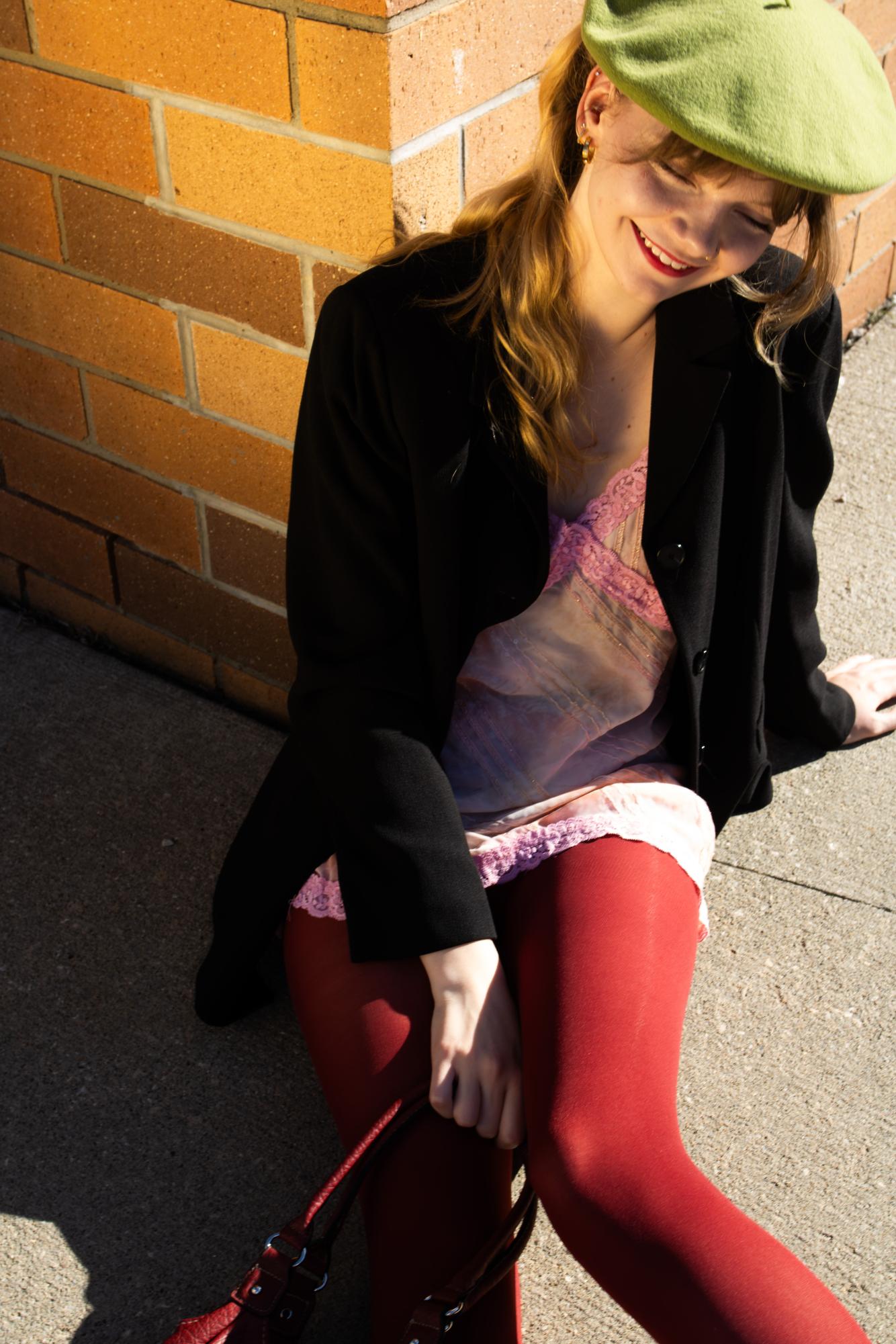
Photos by Abbey Monty

-
-
-

-

-







Support Student Media
Hi! I’m Hannah Planey, A Magazine’s editor-in-chief. My staff and I are committed to bringing you the most important and entertaining news from the realms of fashion, beauty and culture. We are full-time students and hard-working journalists. While we get support from the student media fee and earned revenue such as advertising, both of those continue to decline. Your generous gift of any amount will help enhance our student experience as we grow into working professionals. Please go here to donate to A Magazine.