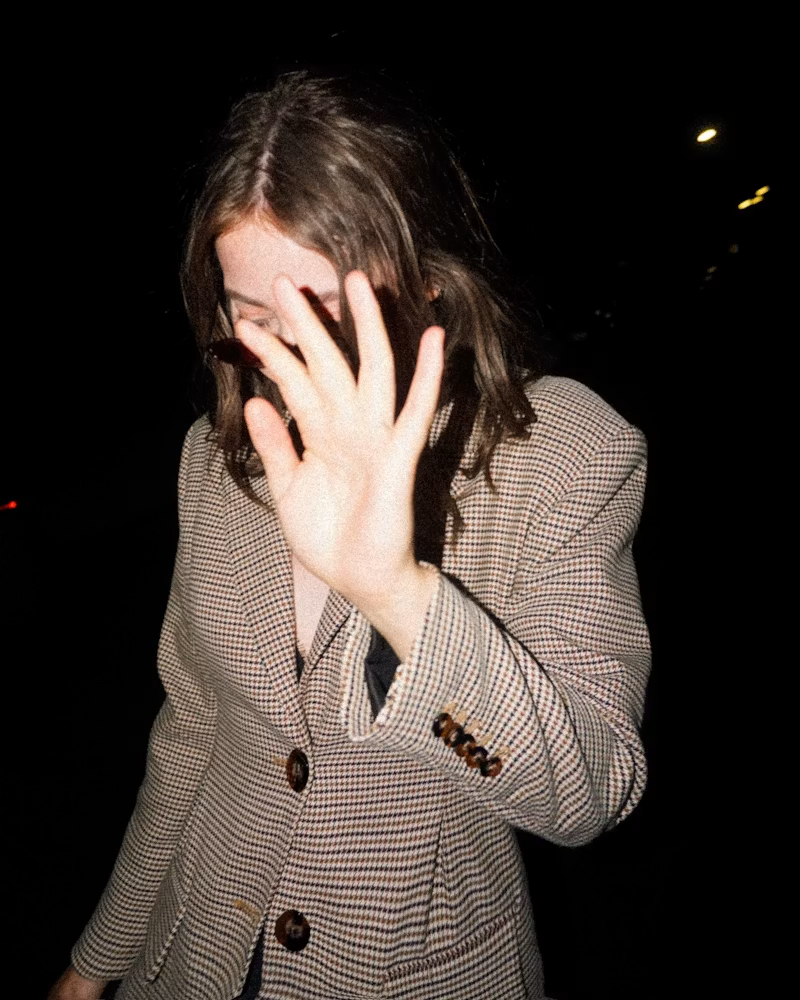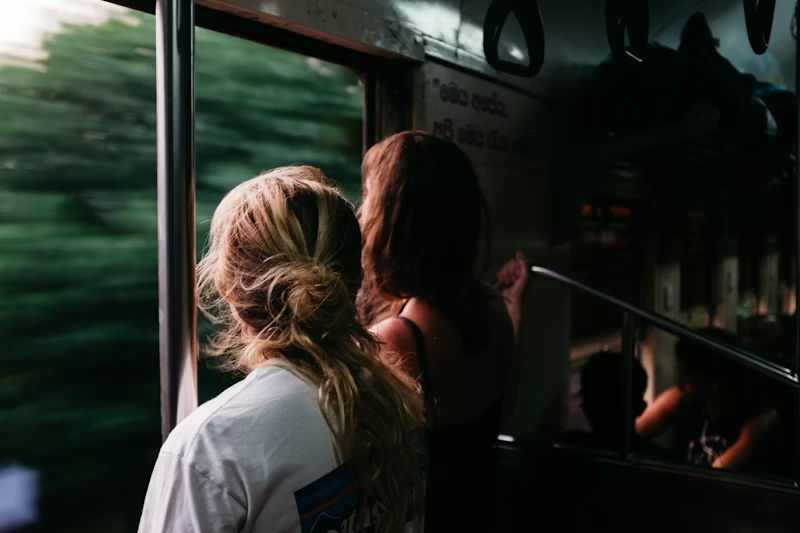

In a dimly lit club in Brooklyn, bodies sway in sync to a four-on-the-floor rhythm. The DJ, head down, fully immersed, lets a soulful loop ride longer than expected, building tension until the beat drops, sending the room into collective euphoria. This isn’t just nostalgia. It is house music, reborn.
After years in the electronic periphery, house is staging a powerful comeback. The genre, defined by its deep basslines, syncopated rhythms, and soulful samples, is no longer just a relic of 1980s Chicago or a distant cousin of modern EDM. It’s a living, breathing movement. And artists like Kaytranada, Honey Dijon and Peggy Gou are at the forefront, bringing house back to its roots while pushing it into bold new directions.
“I don’t make house music to be retro,” Kaytranada said in a 2023 interview with The Guardian. “I make it to feel alive. It’s always been part of who I am”. His Grammy-winning album Bubba helped reinvigorate interest in the genre with its fusion of funk, R&B and classic house beats, opening a portal for younger listeners who may have never set foot in a proper club.
Peggy Gou, the Berlin-based Korean DJ-producer whose track “(It Goes Like) Nanana” became a surprise summer anthem in 2023, is another figurehead of this renaissance. “House music is about joy,” she told Rolling Stone, “and joy is resistance.”
But house is not just back, it is reclaiming its history.
Born in the warehouses and underground clubs of 1980s Chicago, house music was pioneered by Black and Latinx DJs like Frankie Knuckles, Ron Hardy and Larry Levan, many of whom were also part of the queer community. It was a space of freedom in a time of repression, where marginalized communities created something ecstatic and defiant.
Over the decades, as house splintered into countless subgenres: tech house, deep house, progressive, its roots often got buried under commercial gloss. For many fans, the sound became detached from its cultural context, repackaged for festivals and European mega-clubs.
“House music was never just about beats, it was about belonging,” says Honey Dijon, the Chicago-born, Berlin-based DJ and producer known for her politically charged sets and fashion world crossovers. Dijon, who is trans, has become a prominent voice advocating for a return to house’s radical origins. “We must never forget that house music was birthed by queer Black people in marginalized spaces,” she said in a 2022 interview with NPR. Her album “Black Girl Magic” was not just an artistic statement, it was an act of cultural reclamation.
In today’s world, fractured by social isolation, burnout and digital overload, house music offers something increasingly rare: embodied joy.
“There’s a hunger for real connection,” says DJ and music historian Ash Lauryn, who runs the Underground and Black radio show and blog. “House music gives you that. It’s communal, emotional and unapologetically Black,” she told Resident Advisor.
That emotional undercurrent is key to the genre’s staying power. Tracks often sample gospel, soul and funk, creating a spiritual uplift that transcends the dance floor. Whether it is the melancholic longing of Moodymann or the jubilant highs of Floorplan, house music captures the full spectrum of human feeling, with a kick drum that won’t quit.
And it’s not just happening in clubs. Platforms like Boiler Room, NTS Radio and even TikTok have helped democratize access to house music, allowing underground sounds to reach global audiences. Younger listeners, many of whom are exploring vinyl, crate-digging and analog gear, are treating house not as a trend, but a tradition.
“People are starting to realize this isn’t just party music,” Lauryn adds. “It’s Black history. It’s queer history. It’s personal history.”
As nightlife roars back post-pandemic and communities seek new forms of togetherness, house is proving it is more than a genre, it is a sanctuary. From the packed dance floors of London to queer raves in São Paulo and rooftop parties in Seoul, the sound is universal, but its heartbeat is deeply human.
House music isn’t just resurging, it’s resonating. And in the words of Frankie Knuckles, the godfather himself: “House is a feeling.”
And that feeling? It’s back, louder than ever.
-
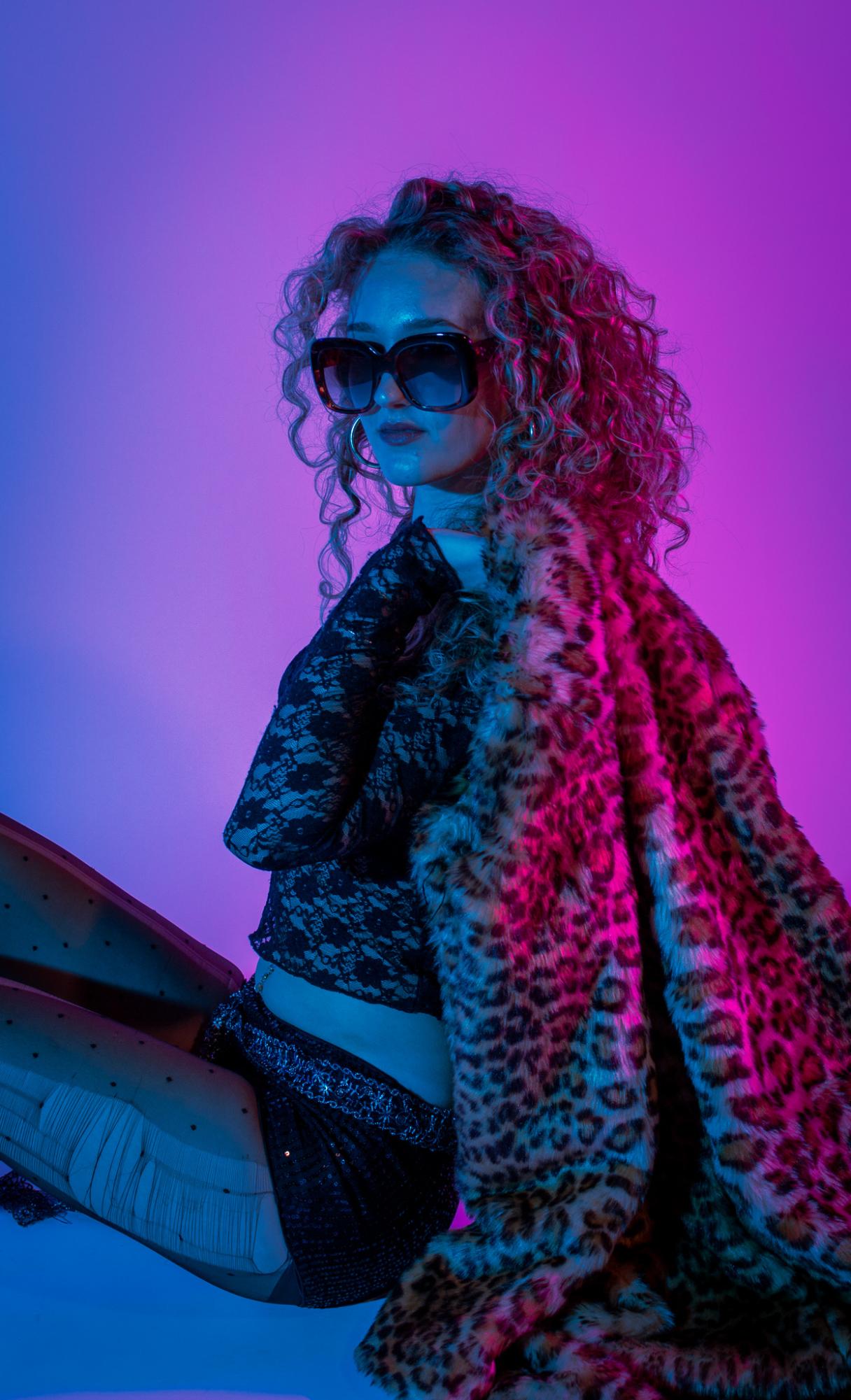
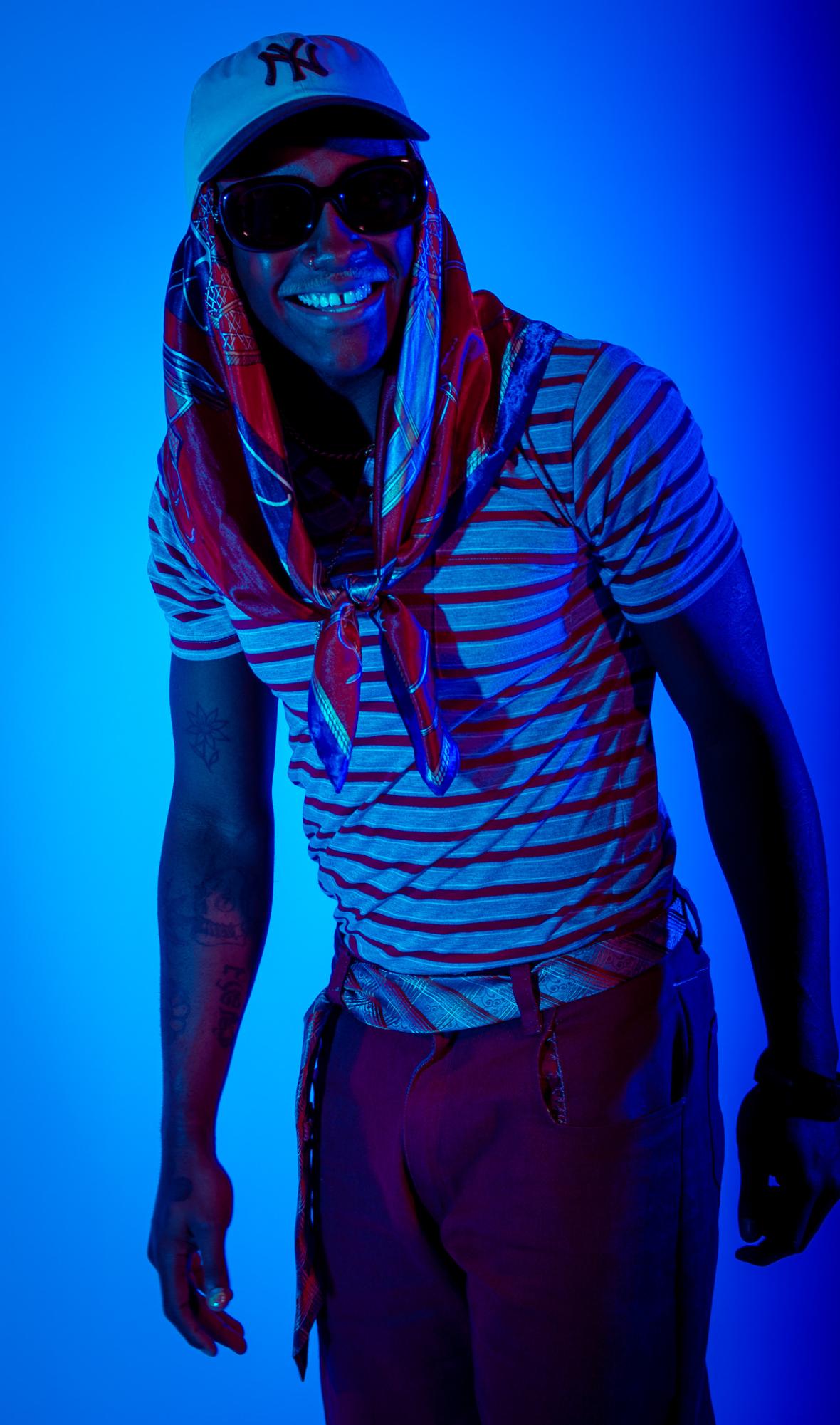
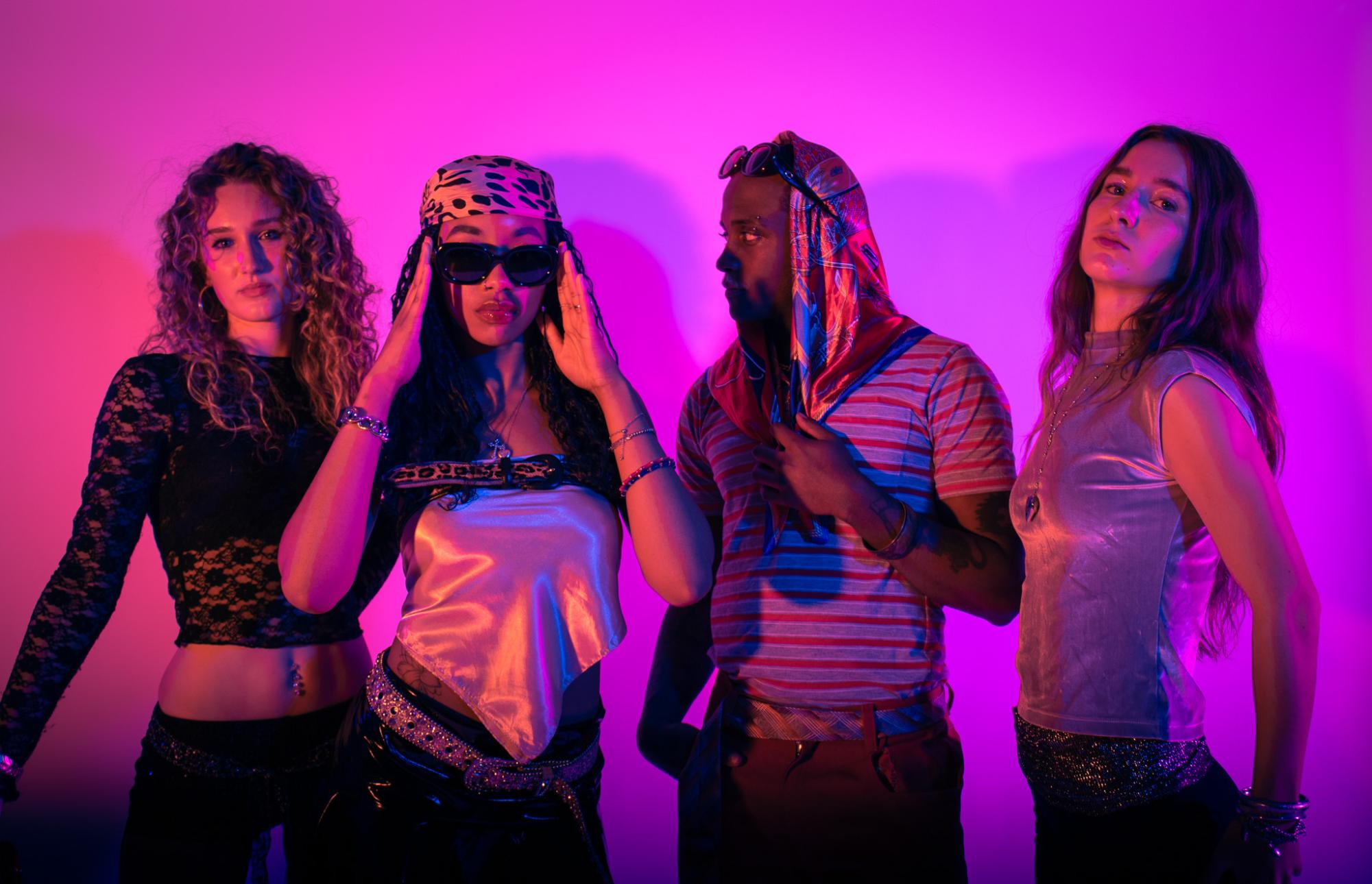
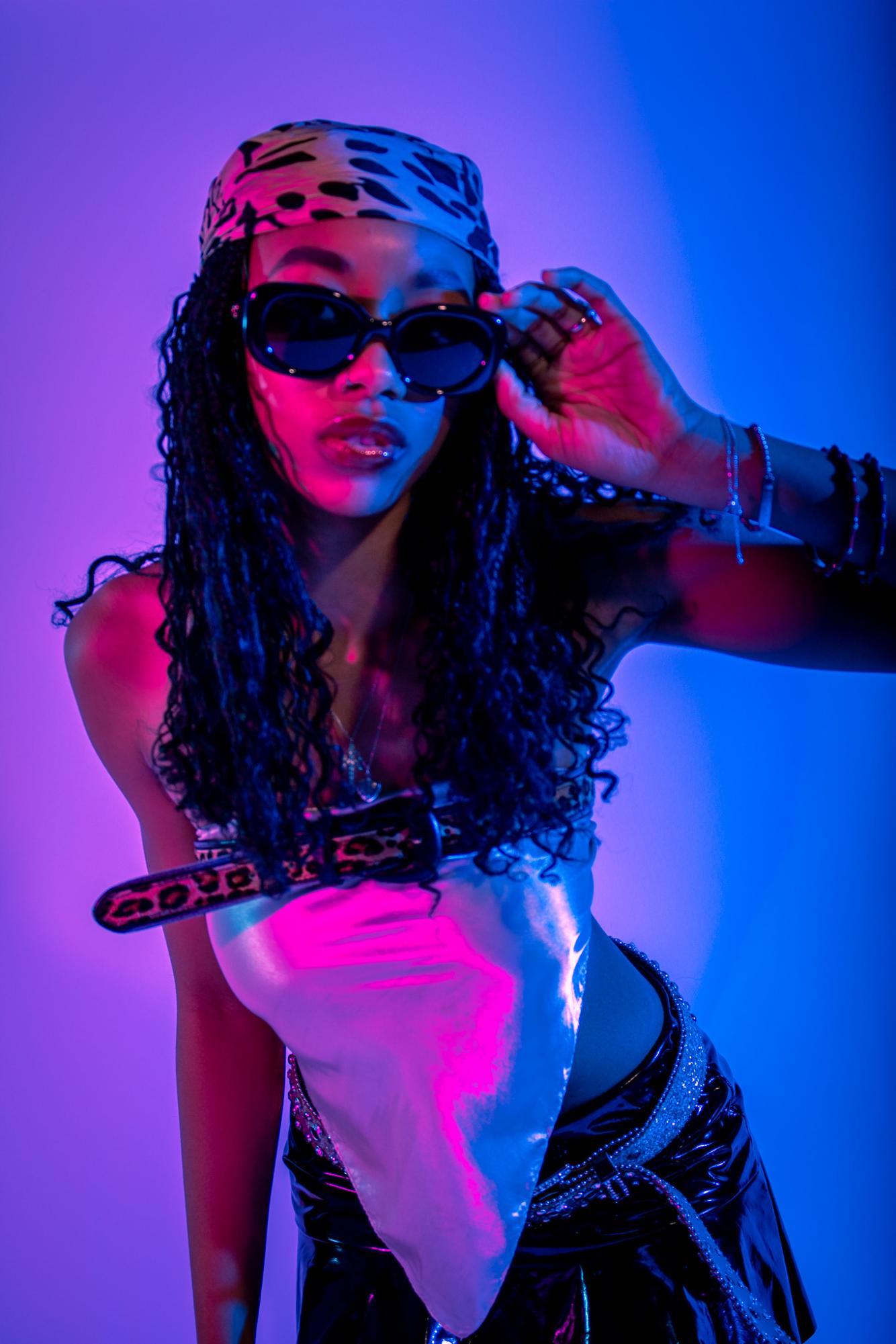
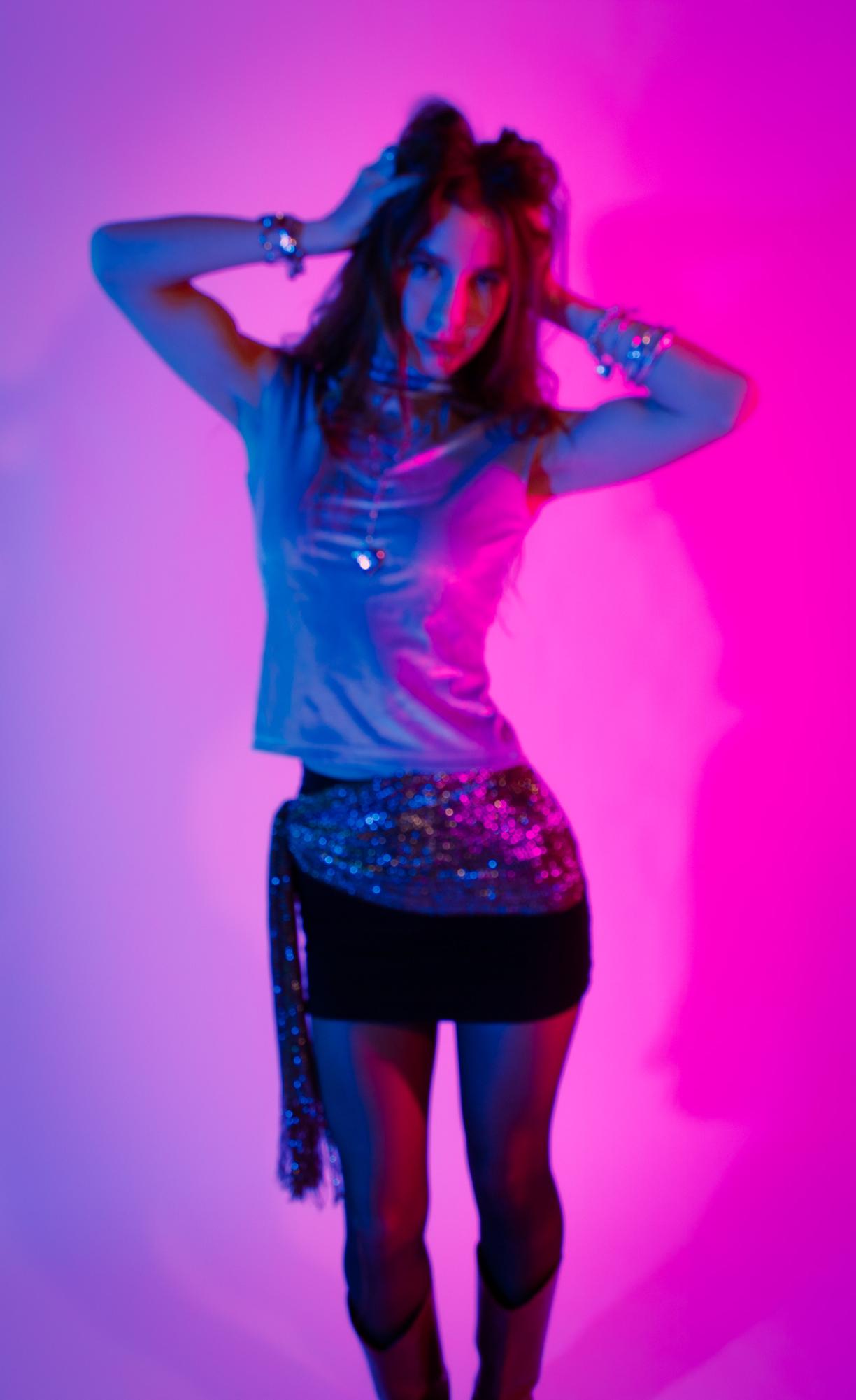
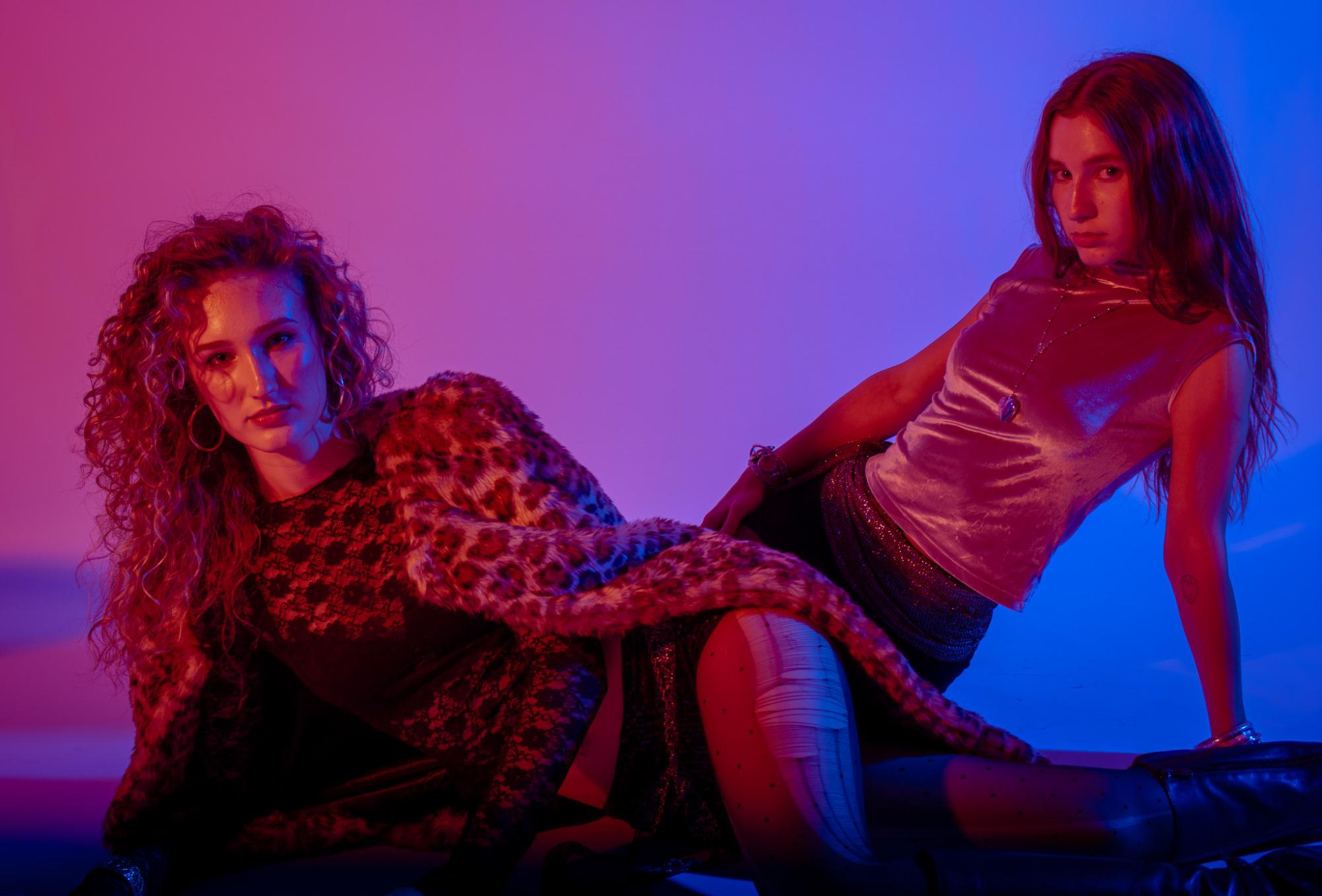
Photos by Tessa Gordon
-
-
-
-
-
-







Support Student Media
Hi! I’m Hannah Planey, A Magazine’s editor-in-chief. My staff and I are committed to bringing you the most important and entertaining news from the realms of fashion, beauty and culture. We are full-time students and hard-working journalists. While we get support from the student media fee and earned revenue such as advertising, both of those continue to decline. Your generous gift of any amount will help enhance our student experience as we grow into working professionals. Please go here to donate to A Magazine.