
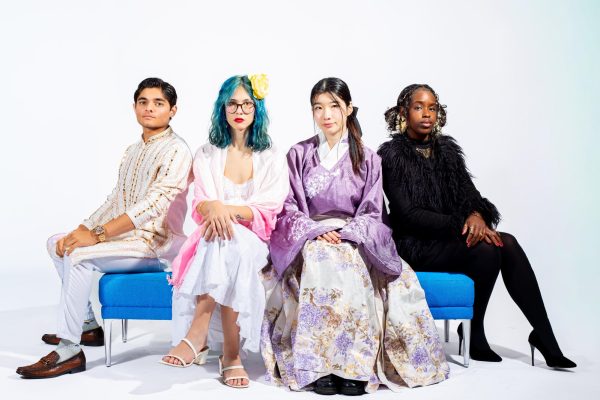
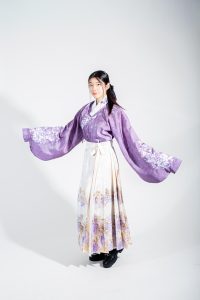
After being abroad in Florence, Italy, for the past two months, I’ve become curious about the differences in culture between the countries that I’ve travelled to. The food, the language and the traditions are interestingly different in every country, but what has intrigued me the most is each country’s cultural fashion.
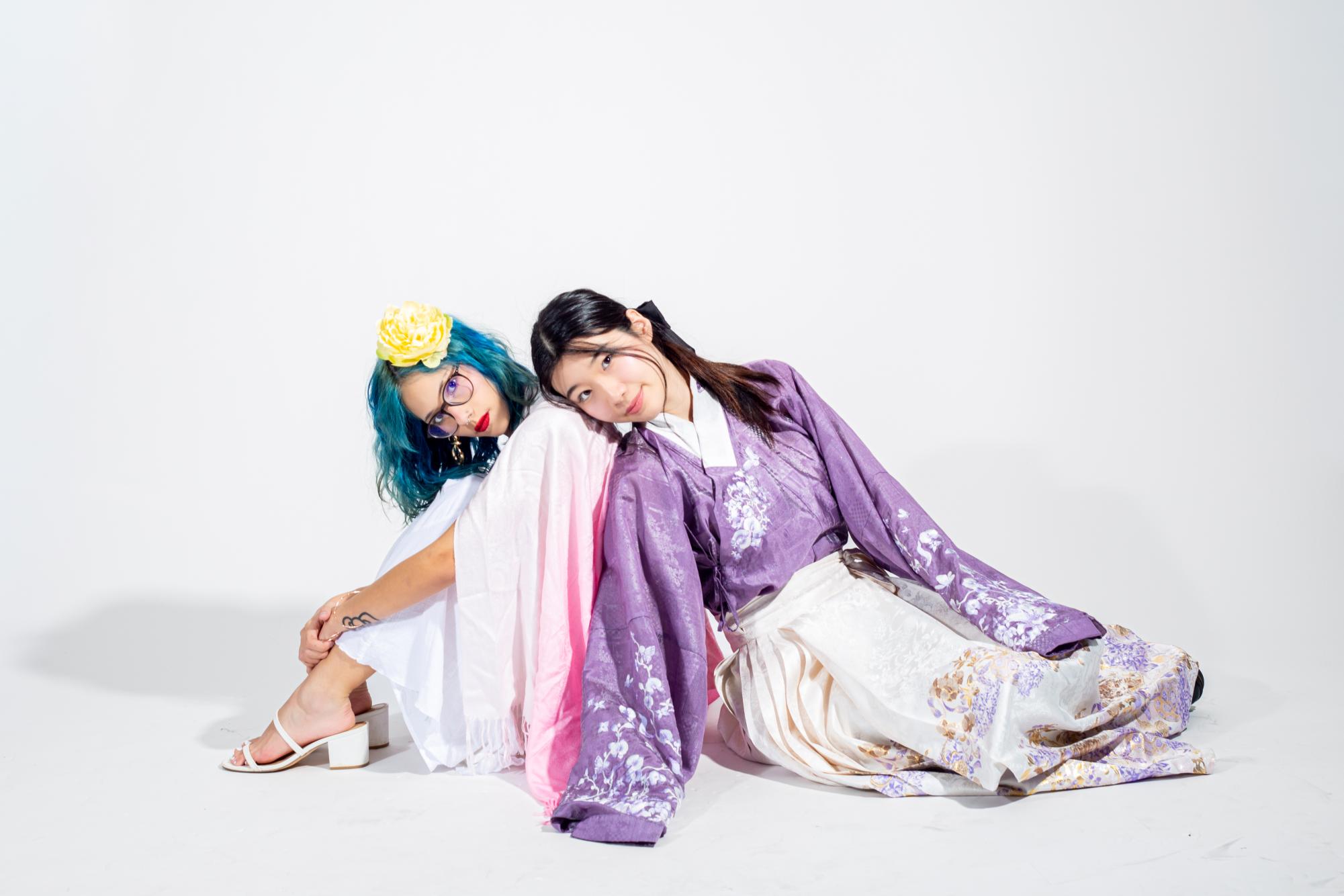
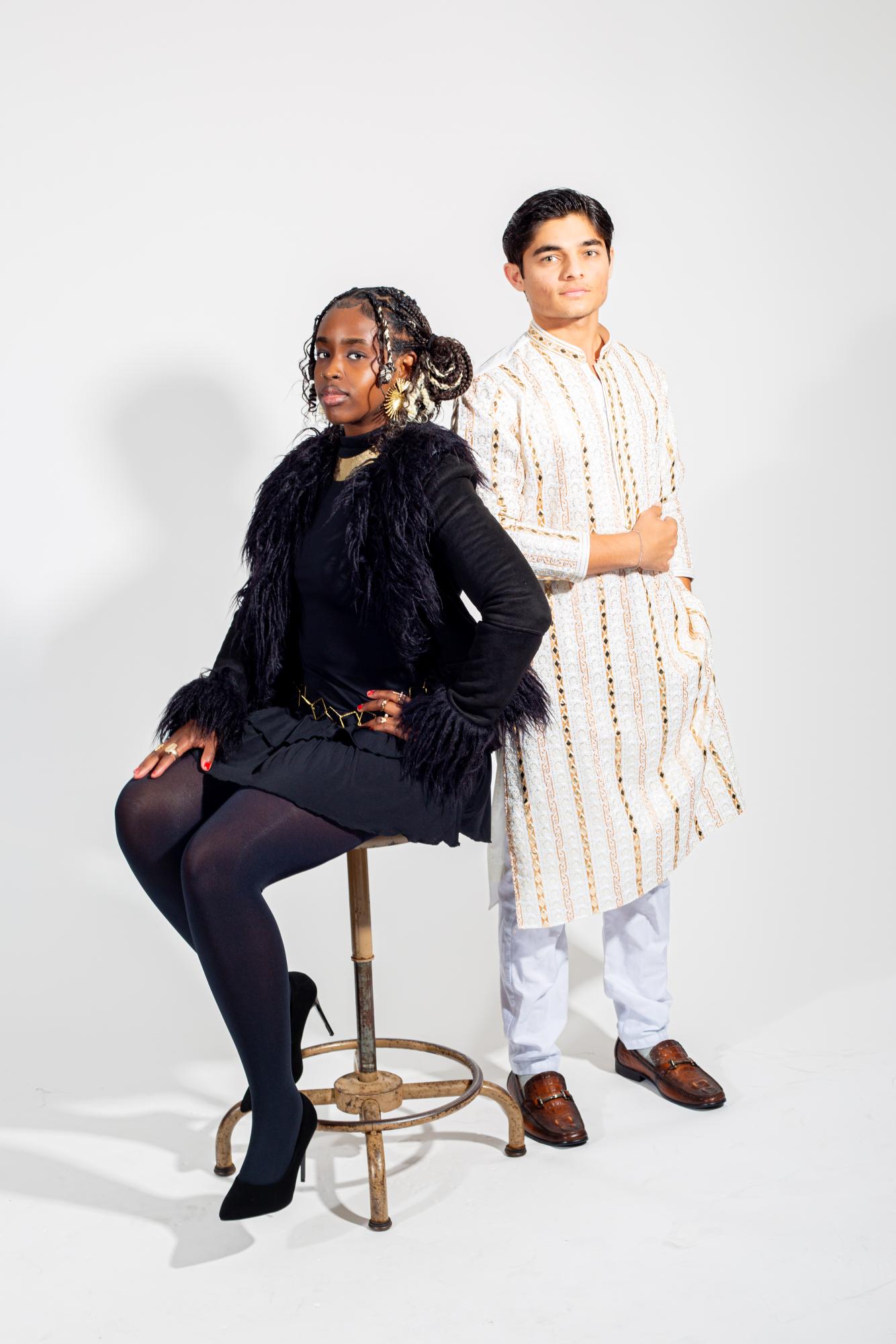
With the rise of worldwide media in the past century, it seems like most people have adapted to wearing whatever is most fashionable and comfortable, and not always what aligns with their historical cultural garb. Although many have converted to wearing modern styles, culture doesn’t just disappear completely in our new fashion trends.
German Schwalm is an example of cultural embroidery that can be seen replicated in modern styles. This style of embroidery was a response to a technique called “Dresden whitework,” which was popular among the elite class, according to the Embroiderers’ Guild of America. Schwalm whitework was then developed as a more attainable and less expensive version of Dresden whitework, and it was popular among the peasant class of the Schwalm region of Germany.
German Schwalm is an embroidery technique that is difficult to find early examples of because of how functional the pieces it was used on were. Many peasant women used it on pillows, bedding and daily garments. Many blouses, skirts and lace trims today can be seen with embroidery patterns that mimic that of Schwalm whitework.
Although embroidery such as Schwalm was used a lot in traditional German garb, there’s not much evidence backing the significance of the patterns other than its decorative and crafty qualities. A culture that does use color and motifs to express certain ideas and values would be the Japanese.
Japanese kimonos are not just a piece of clothing, but a tradition with deep symbolic meaning and importance to Japanese culture. Different kimonos even have different meanings, with examples being the Houmongi or “visiting kimono,” and the Furisode or “swinging sleeves.”
The Houmongi is semi-formal attire and can be worn to outings such as tea ceremonies or to a friend’s wedding. The Furisode is “the most formal kimono for unmarried women,” and the long swinging sleeves are said to “ward off evil and also cast good luck upon themselves and the people around them,” as explained by Coto Academy.
Not only do different kimonos have different symbolism, but the colors also have separate meanings as well. A red kimono symbolizes “life force, passion and protection,” while a deeper red conveys sophistication and maturity, while a brighter red is youthful and vibrant, according to ZenMarket. The white kimono also has important symbolic meaning, conveying purity and new beginnings, which is why it is worn by brides.
Another popular adornment used by many cultures is beads and beadwork, which many people believe to have originated in Africa. As glass beads were brought over by European traders, the distribution of the beads were managed by the elite societies of sub-Saharan Africa, as many people believed the glass beads came from an “ancestral world” due to the lack of glass-making technology around them.
Beads were popular adornments for the royalty of the Kingdom of Benin, with the king being permitted to wear an outfit made almost entirely of beads.
“The status of other notables at court was evident in the relative lavishness of their beaded garments,” said James Green from The Met.
Although many traditional cultural fashions aren’t as popular today as they once were, the apparel techniques can still be seen through modern day styles. For example, kimonos are still worn for festivals and important events, and beadwork is still adorning many items in different African regions today.
Curiosity of the history of cultural garb is important because it uncovers knowledge about what goes into our modern fashion today. Although today’s fashion might seem to blend together all over the world, there’s pieces of different cultures in every piece of clothing. Whether it’s a leather purse strap or a floral embroidery, everything comes from somewhere, and knowing that is important in keeping culture alive.
-
Photos by Ashton Kish

-
-

-

-

-
-






Support Student Media
Hi! I’m Hannah Planey, A Magazine’s editor-in-chief. My staff and I are committed to bringing you the most important and entertaining news from the realms of fashion, beauty and culture. We are full-time students and hard-working journalists. While we get support from the student media fee and earned revenue such as advertising, both of those continue to decline. Your generous gift of any amount will help enhance our student experience as we grow into working professionals. Please go here to donate to A Magazine.