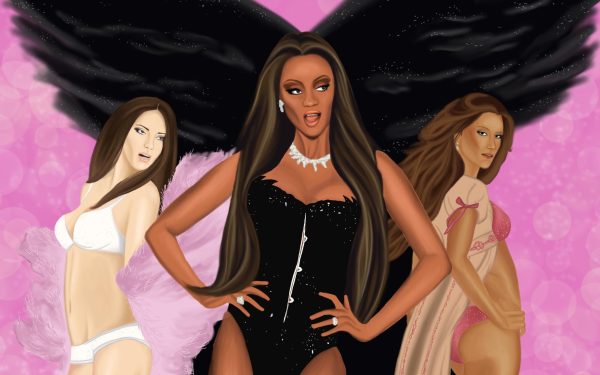
The Victoria’s Secret Fashion Show returned in 2025 with a runway that excited audiences across the world. It seems the iconic lingerie brand is evolving to fit new trends, in a time where it seems like most brands are sliding back to runway usuals. This year’s show was particularly anticipated after the brand’s hiatus. People waited to watch not only the stunning wings towering over the models, but for the brand’s new message being conveyed: inclusivity and empowerment are in.
Held in Brooklyn, the runway show celebrated confidence. The event included high-fashion walks, outrageously chic wings, exciting performances and visual displays that left audiences fully immersed. The runway showed glamour in lingerie and dresses, athleisure and swimsuits showcasing the brands’ versatility. Victoria’s Secret is no longer just about sex-appeal but every day comfort and wearability.
The show reimagined Victoria’s Secret portraying authenticity and reliability. Models varied in their body types, ethnicities, sexualities and gender identities; reflecting the brand’s new commitment to raise representation.
This commitment is thanks to Adam Selman, “I didn’t want it to feel like a heritage show,” the brands executive creative director said on The Run-Through with Vogue podcast. “We’ve got an amazing balance of icons, people who are synonymous with the brand, but what does that future look like?”
The company’s decision to cast diverse models brings a wider perspective as to what beauty means on the runway. According to People, Jasmine Tookes became the first model to open a Victoria’s Secret show while pregnant.
The show continued to lean into the expanding image of beauty. WNBA champion Angel Reese became the first professional athlete to walk the Victoria’s Secret runway and Olympic gymnast Suni Lee also made her debut. “I want young girls to know they don’t have to fit into just one box,” Lee said in an interview with Marie Claire. “You can chase Olympic gold and still own your femininity.”
This show ranked higher in terms of size diversity as well. According to Vogue Business, only 0.9% percent of looks shown during the spring-summer 2026 season were worn by plus-size models; two percent being worn on mid-size bodies. At the Victoria’s Secret Fashion Show, however, models of varied sizes appeared in every segment.
Victoria’s Secret also included LGBTQ+ icons. Notably, including trans women such as Alex Consani and Valentina Sampaio. LGBTQ+ representation also came from newcomers Quen Blackwell and Barbie Ferreira, longtime model Stella Maxwell and performer Madison Beer.
Selman has talked about the transformative journey the brand has undergone, acknowledging the criticism the brand has previously faced, specifically revolving around the change from unrealistic beauty standards. But, he’s proud of the brand’s new look and pledges to keep evolving. “Some people are not going to be happy, right? There’s no way to make everybody happy with this show and I’m at peace with that, and I think the brand is too. It really is an invitation more than anything else,” Selman said in the podcast.
But for Victoria’s Secret’s future, Selman looks towards the joy that comes with the brand’s evolution. In a podcast with What’s Contemporary Now Selman says, “My work is to show the freedom and joyfulness even in the sexier moments and to try to tap into that joy,” Semman said. “Such a huge part of a brand’s identity is the feeling it evokes, and the people who bring it to life.”
Support Student Media
Hi! I’m Hannah Planey, A Magazine’s editor-in-chief. My staff and I are committed to bringing you the most important and entertaining news from the realms of fashion, beauty and culture. We are full-time students and hard-working journalists. While we get support from the student media fee and earned revenue such as advertising, both of those continue to decline. Your generous gift of any amount will help enhance our student experience as we grow into working professionals. Please go here to donate to A Magazine.