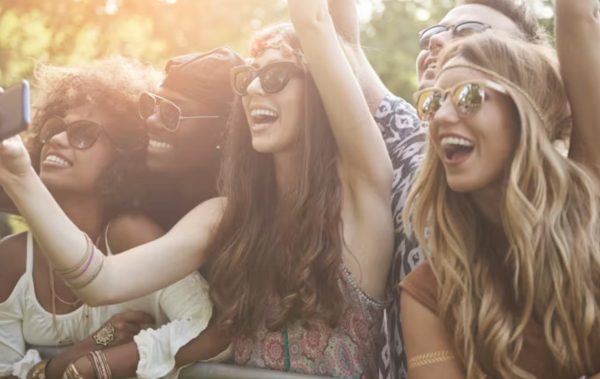
I watch the sun rise in the east after a night under the stars. The tent smells of sweat and mud dampened weed. A peaceful buzz fills the air as anticipation gathering for the third day sets in the summer of ‘69. The crowd has dwindled, but many remain for Woodstock’s finale. Enshrouded by a time of unease, disagreement and lack of faith, us youth have formed connectedness in our love of music, peace and love.
~
On Monday morning, Aug. 18, 1969, Jimi Hendrix took the Woodstock stage, entertaining the crowd with his popular rock sound. Using his master guitar skills to create a non-classical rendition of the National Anthem, he captured the counterculture essence of the youth that attended Woodstock music festival–now a legendary performance. By masterfully switching up chord harmonies, Hendrix cornered the cacophony of the political atmosphere into the strings of his guitar.
How are festivals and counterculture interconnected?
Counterculture existed well before this time period. With examples like the Beat Generation of the ‘50s, and the sans culottes of the French Revolution, it is clear people have always found a way to strive against a society too oppressive for them. But what makes the ‘60s such an iconic symbol of obverse thinking?
Among other events contributing to the roots of the modern music festival, the Monterey Pop Festival set a precedent for the meaning behind festivals themselves in the summer of ‘67: social revolution. Festivals like this one, and eventually the explosive summer of ‘69 Woodstock, gave thousands of youth a chance to gather in a space to share ideas and feel hope in a world that through everyday news was increasingly hopeless. Supporting a new generation of outside of the box thinkers, the sounds of the sixties evolved from predictable melodies quickly into never-before-head psychedelic, disorganized and offbeat compositions.
Where does fashion play into the counterculture movement?
As history leads, fashion follows close behind. Counterculture movements of the past typically have had particular dress, like the Beats dedicated manner towards art reflecting in their presence, and the Sans Culottes wearing long trousers instead of the tight stuffy breeches of the bourgeois. During the ‘60s, people took a similar approach to their ancestors’ retaliation, wearing flowing outfits made of fabrics including loud prints, sometimes handmade, contrasting with the plain, structured and industry produced garments that were common of ‘60s dress. These “hippie” outfits became a symbol of the times, and inspiration for the average music festival dress.
The beginnings of Coachella
Fast forward 20 years later to October of 1999, following the intense events of the ‘99 Woodstock festival, the first Coachella took place in an attempt to reinvent the iconic festivals of the ‘60s. At first, Coachella was known for headlining alternative and indie bands like Beck, Tool and Rage Against the Machine, but as its popularity grew, so did the genres of headlining artists.
Coachella, like many music festivals of the past, has always been a place for big names to increase attendance, and for crowds to experience smaller names’ breakthroughs. Originally, Coachella attracted people who were attending to enjoy the music–the fashion aspect was not as meticulously planned by fans as it is now. Through the years, it seems like the event has become more of a social gathering for social media influencers than a music festival like the ones of the past.
Fashion of Coachella
This year, people are flooding social media with fashion criticism, saying they miss the old Coachella culture of the 2010s, when boho chic was the trending style and people weren’t wearing incredibly expensive garments to the event.
As social media has expanded, so have the amount of influencers. The meaning of attending Coachella has shifted drastically, and again, as society changes, fashion follows. Instead of attendees being present for the music and wearing more casual outfits, it seems that influencers posting about their presence at the event for a brand deal has become more important, causing the fashion to become more high end and impractical for the camping environment of the festival itself.
Although there can be parallels made between the hippie dress of the ‘60s and the couture-casual dress of today’s music festival, in that they are both pushing societal expectations of what people are wearing, it seems the original meaning of the music festival itself has become drowned out by social media’s hold on modern society.
Where does this leave us today?
Of course, attendees should be free to express themselves in their fashion choices, many of which embody creativity and fun, which are two goals festivals are all about achieving. We are simply noticing the somewhat harmful effects that social media has had on experiencing events authentically.
In the future, as people speak on the facade of social media, influencers may have more positive feedback from followers if they focus more on experiencing an event firsthand, rather than attending just to snap a picture-perfect post.
Support Student Media
Hi! I’m Hannah Planey, A Magazine’s editor-in-chief. My staff and I are committed to bringing you the most important and entertaining news from the realms of fashion, beauty and culture. We are full-time students and hard-working journalists. While we get support from the student media fee and earned revenue such as advertising, both of those continue to decline. Your generous gift of any amount will help enhance our student experience as we grow into working professionals. Please go here to donate to A Magazine.