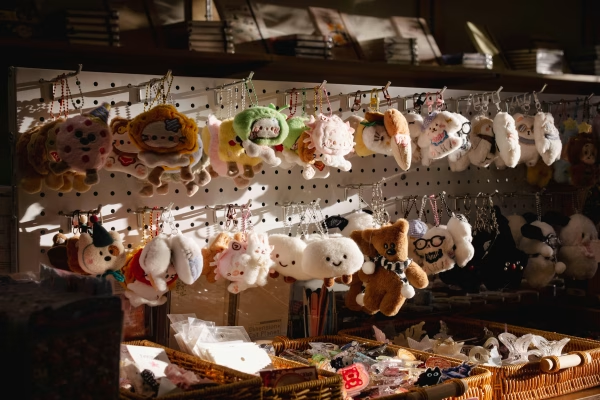
Although Labubus may be on their way out, they will quickly be replaced by new knickknacks one can fasten to their bag. Why are Gen Z and other consumers so fascinated with collectable figurines or assorted novelties?
By now, everyone and their mother is sure to know what Labubus are—the multicolored, fuzzy figurines with bunny-like ears, big eyes and pointy teeth—that are frequently found accessorizing a bag or belt loop. Labubus, among many similar collectible trinkets, are dominating Gen Z culture, although the affinity for “blind box” toys is multigenerational.
Blind boxes refer to small collectibles sold in sealed packaging hiding which specific item is inside. The blind box craze appears to have stemmed from Japanese lucky bags and toy vending machines that originated in the 1860s and 1960s, respectively, and is similar to the American phenomenon of cereal box toys that dates back to the early 20th century.
The concept of surprise collectible items, made even more novel by claims of their rarity or value, is not a new marketing tactic; however, in recent years, it has successfully been employed by Chinese company Pop Mart, the official creator and manufacturer of Labubus, Sonny Angels and infinite other “designer toys and experiences.”
Consumers around the globe have been enamored with these knicknacks for years, especially alongside the endorsement of various celebrities, while the habit of purchasing such novelties has been further reinforced through influencers like Vanilla Mace creating “unboxing” content online.
The enormous popularity of Labubus, and how quickly their virality has dwindled since mid-2025 may reveal concerning marketing and consumer trends. Many claim that the framework of blind boxes mimics the same psychological principles that gambling preys upon, including “variable-ratio reinforcement—the same reward pattern that makes slot machines so addictive,” states Associate Professor Eugene Y. Chan in his article “Blind Box Toys are Booming.”
Manufacturers and retailers of the plush figurines highly regulate the percentage of products available for sale to influence a scarcity mindset. In his video “The Labubu Trend is Almost Over,” YouTuber Levi Hildebrand explains that only about 5% of Labubu products are available for sale on the Pop Mart site. Such scarcity encourages resellers to quickly buy up product and sell for profit, an alarming yet lucrative occupation, and further promotes competition between buyers, and may trigger compulsive consumption.
The marketing of these products not only preys upon psychological principles and patterns, but also targets certain demographics that may be more susceptible to poor purchasing decisions. The vibrantly colored and collectible nature of many of these products makes teens and children some of its primary customers. Pop Mart’s innovative shopping experiences, including their robo shops, further encourage consumers to make “the buying process theatrical” as Pop Mart’s US head of operations Larry Lu states. Both the shopping experience and the blind box phenomenon elicit ordeals that can be shared with others, online and in real life.
The most alarming aspect of the trinket culture to some is the environmental impact of the figurines. Eugene Chan claims that many blind box toys come in excessive packaging—plastic wraps, foil bags, cardboard boxes—which are discarded immediately following being opened. Additionally, the collectibles themselves are often made of non-recyclable plastics, which is concerning from a sustainability standpoint.
Not to say collecting things is automatically evil, but there are certainly much more rewarding endeavors or items to scavenge for. I would recommend antiquing and thrifting (or even turning to a more naturalist endeavor of gathering nature’s collectibles—flowers and fossils and rocks, oh my!). You may even be able to find the classic collectibles of our mothers’ and grandmothers’ generations, like the porcelain Precious Moments figurines.
Support Student Media
Hi! I’m Hannah Planey, A Magazine’s editor-in-chief. My staff and I are committed to bringing you the most important and entertaining news from the realms of fashion, beauty and culture. We are full-time students and hard-working journalists. While we get support from the student media fee and earned revenue such as advertising, both of those continue to decline. Your generous gift of any amount will help enhance our student experience as we grow into working professionals. Please go here to donate to A Magazine.