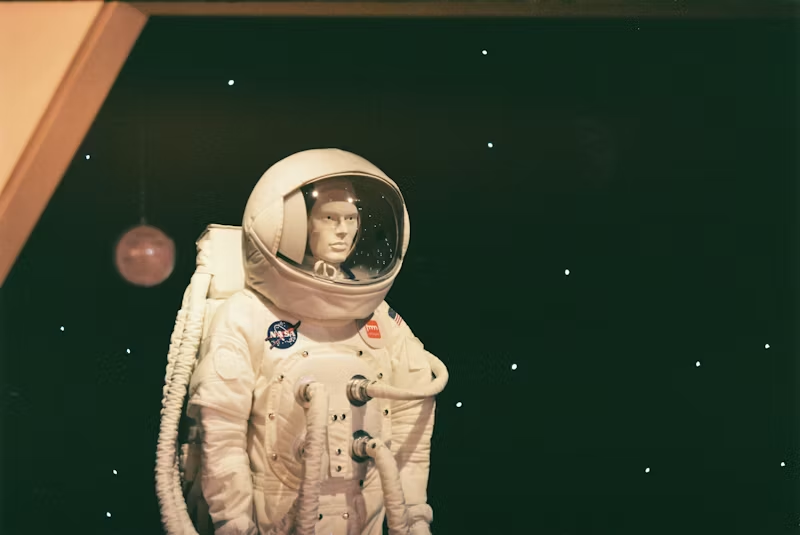
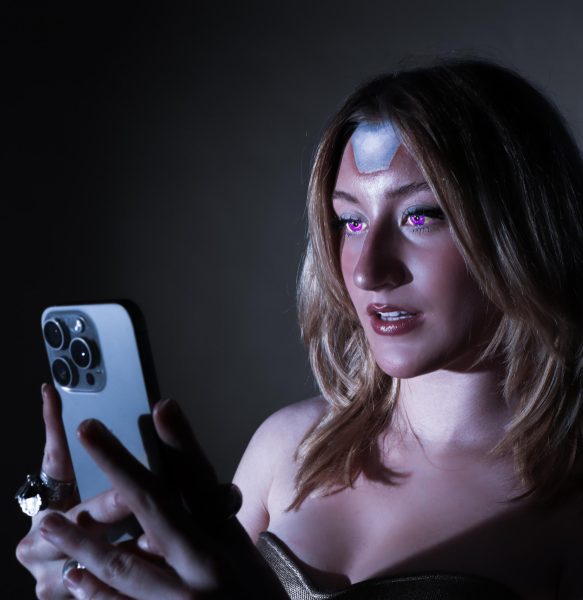
A celebrity’s outfit no longer debuts on a red carpet, it appears first on a phone screen, sandwiched between a meme and a sponsored post. In an era where relevance refreshes by the second, fame is maintained not just through talent or taste but through constant online awareness. For today’s celebrities, being chronically online is no longer a side effect of fame, it is part of the job.
Social media has shifted where celebrity fashion is seen, how it is discussed and how it is remembered. Primarily through TikTok and Instagram, celebrities’ red carpet fashion is seen everywhere, almost like a digital magazine in your pocket. Coverage of events like Paris Fashion Week shows how celebrity appearances and viral posts now shape the narrative of fashion just as much as the physical runway itself, turning each outfit into a moment that circulates instantly across the globe.
This was evident during the 2026 Grammys, when social media attention quickly moved beyond the ceremony itself. Harry Styles, a presenter for Album of the Year, became the subject of viral AI-generated images that placed him in the iconic Versace jungle dress, circulating widely across platforms despite never being worn on stage.
The moment demonstrated how celebrity fashion narratives are now shaped, not only by what is physically worn, but by what is digitally imagined and shared. Even fabricated or minor visual moments can gain traction online, influencing public conversation and reinforcing how celebrity style exists within a constantly circulating digital ecosystem.
For celebrities, maintaining relevance now requires constant online participation. Visibility is no longer only tied to television appearances or mentions in a magazine but to what circulates on social media platforms.
Celebrities are expected to not only appear, but actively participate in online conversations, whether through posting, reacting or aligning themselves with emerging trends. In this environment, virality and engagement shape which moments resonate, with likes, shares and views often determining what continues trending beyond a single post. Remaining present within the feed helps sustain public interest, while absence can quickly translate into irrelevance in an attention economy driven by immediacy.
This level of visibility comes with consequences that extend beyond fashion.
The pressure to maintain a carefully curated online persona, combined with the constant influx of public commentary, can heighten anxiety and stress for celebrities.
Prolonged exposure to this environment has been linked to long-term mental health challenges, as moments of visibility are rarely met without scrutiny.
Negative comments and the pressure of maintaining a perfect online persona can increase anxiety and stress levels.
Within this landscape, “cancel culture” has emerged as a defining feature of online backlash, referring to the collective calling out or withdrawal of support from public figures following actions or opinions deemed unacceptable. The resulting waves of criticism, often amplified through harassment, bullying or threats, demonstrate how quickly visibility can shift from opportunity to emotional risk.
As celebrity culture becomes increasingly digital, the fashion industry is reshaped alongside it. Influencers have placed a vital role in the way brands are showcased and communicated to target audiences, often prioritizing creativity, flexibility and direct engagement over traditional forms of promotion. In doing so, they have disrupted long-standing industry norms and expanded who is seen as a legitimate fashion authority.
While celebrities remain recognizable figures whose visibility draws attention, influencers offer a different kind of public perception, one rooted in relatability and constant interaction. Together, celebrities and influencers now operate within the same digital space, shaping trends in real time and redefining how fashion is introduced, consumed and remembered.
As fashion, fame and the internet continue to collapse into one another, the role of visibility has become central to modern celebrity culture. What was once curated through red carpets, editorials and carefully timed appearances now unfolds in real time, shaped by algorithms, audience engagement and digital imagination. For celebrities, constant online awareness is no longer optional, but a requirement, one that carries both cultural influence and personal cost.
In this evolving landscape, fashion is no longer defined solely by designers or runways but by the speed at which images circulate and conversations unfold online. The internet has become fashion’s most powerful stage, where relevance is immediate, influence is shared and style exists in a state of continuous becoming.
-
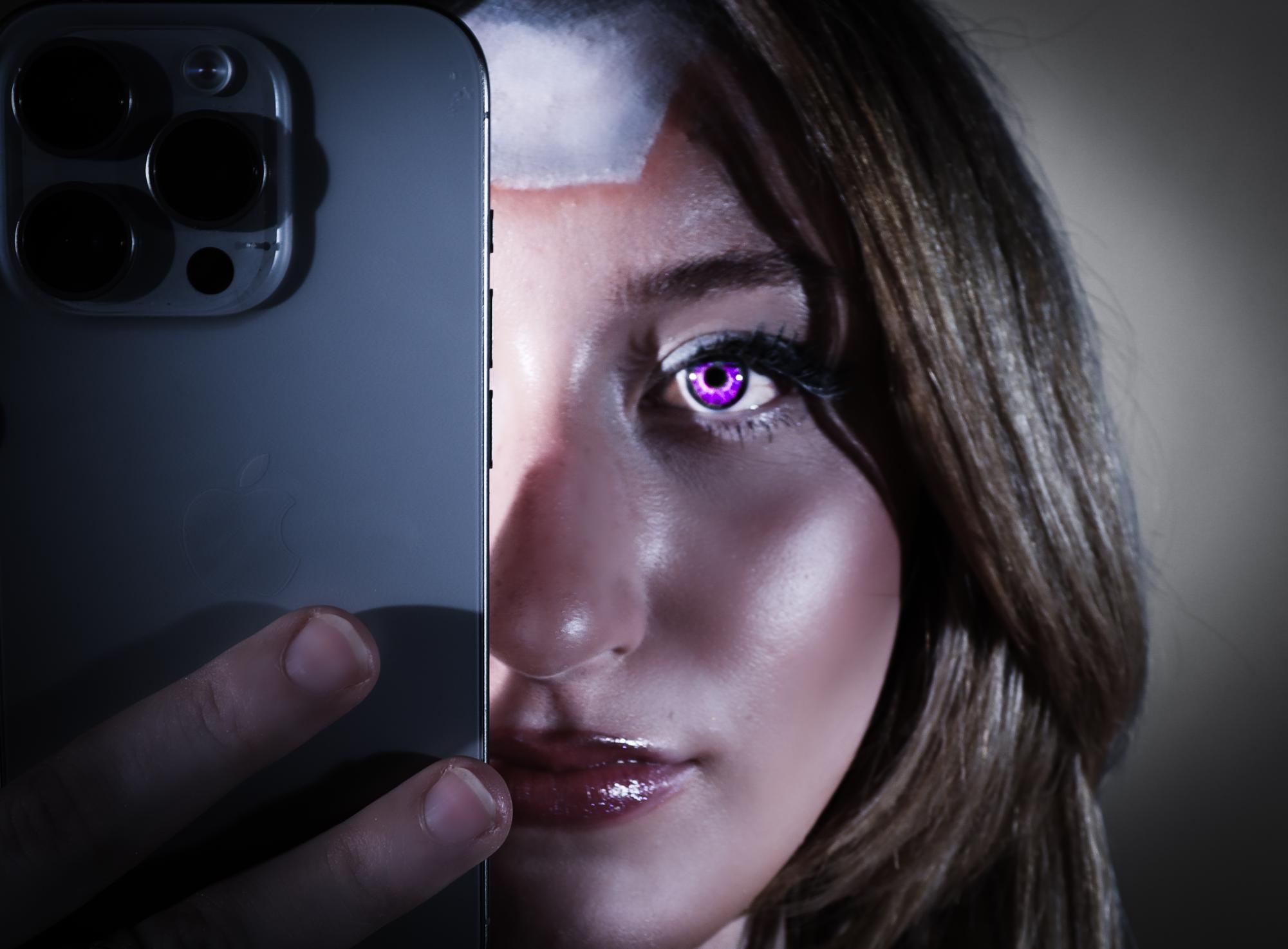
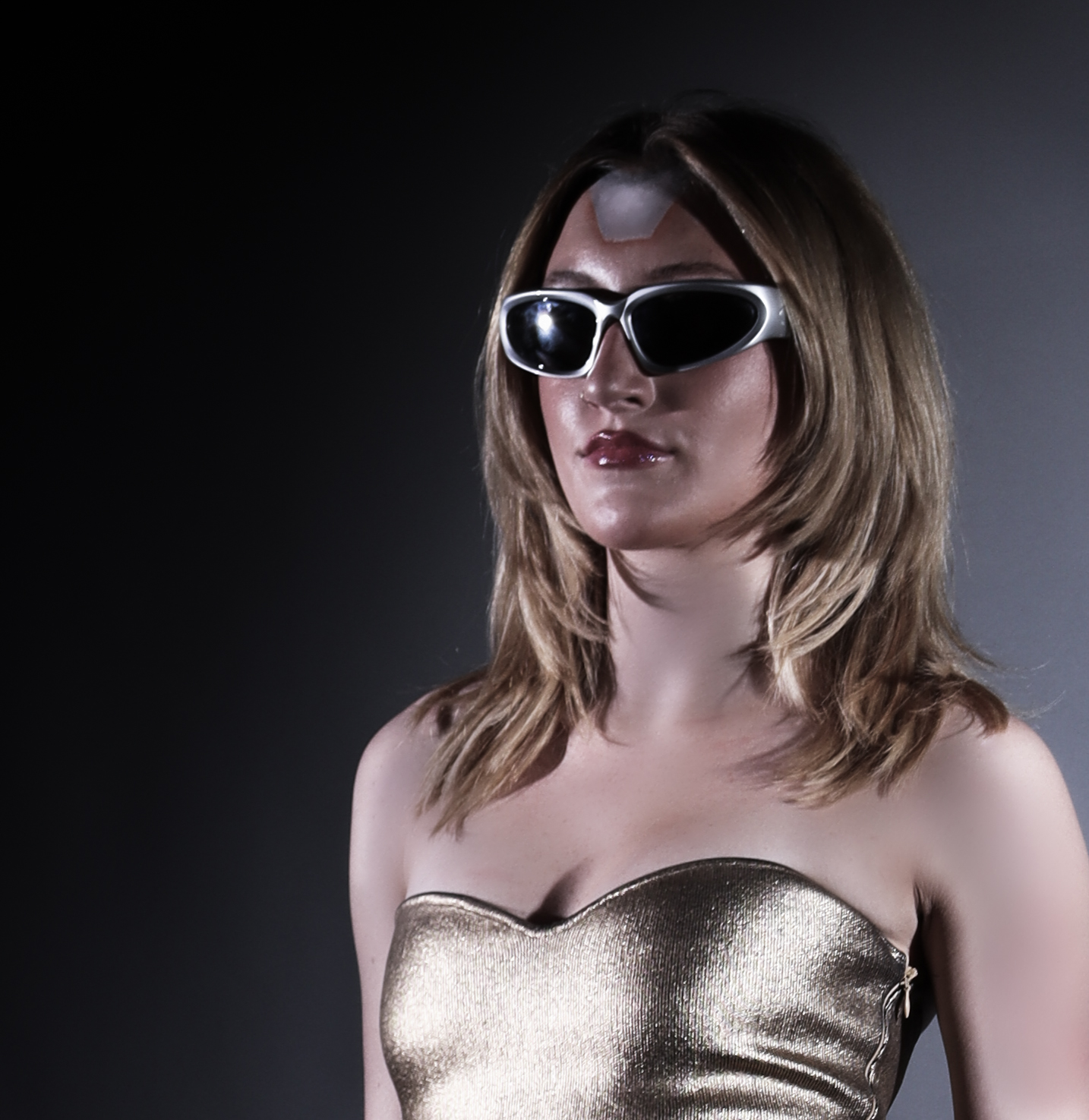
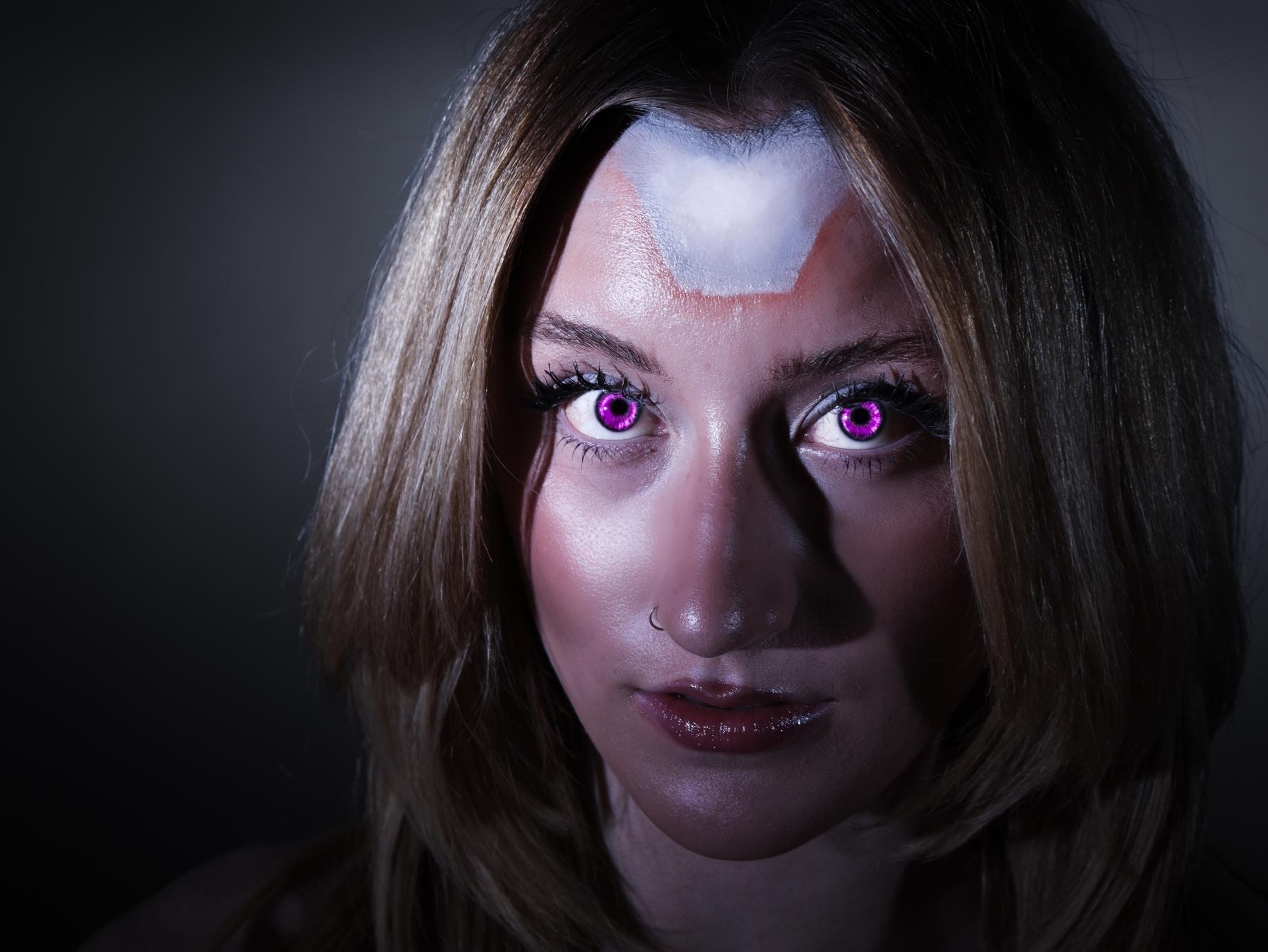
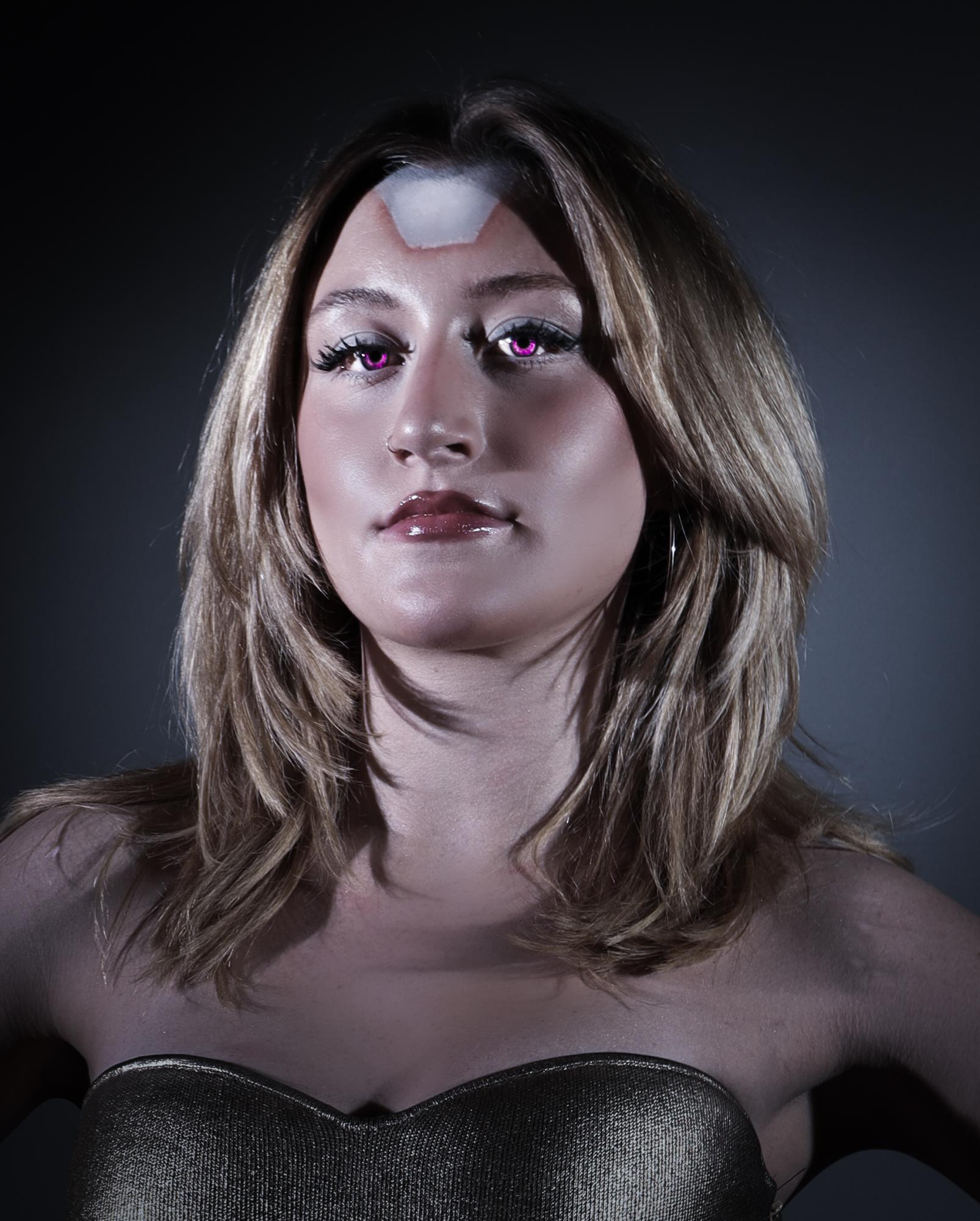
Photos by Morgan Heinrich
-
-
-
Support Student Media
Hi! I’m Hannah Planey, A Magazine’s editor-in-chief. My staff and I are committed to bringing you the most important and entertaining news from the realms of fashion, beauty and culture. We are full-time students and hard-working journalists. While we get support from the student media fee and earned revenue such as advertising, both of those continue to decline. Your generous gift of any amount will help enhance our student experience as we grow into working professionals. Please go here to donate to A Magazine.