Branding, packaging and marketing can all have very strong effects on consumers. Consumers are often much more likely to purchase a product when it has a strong aesthetic appeal, but why? Producers spend copious amounts of money on making their campaigns and products unique, polished and, honestly, cute. When companies do not take this into account it can potentially negatively impact sales and consumer interest.
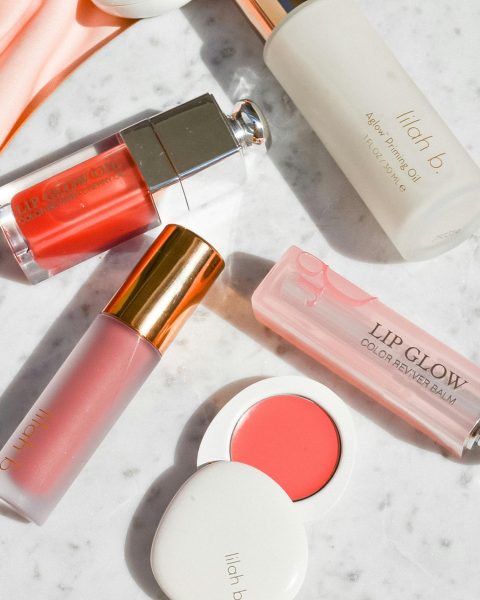
A prime example of this is rhode by Hailey Bieber. Rhode consistently has clean, minimalist and visually pleasing campaigns that really draw a consumer’s interest. They often relate their products to food items such as cinnamon rolls, raspberries and marshmallows. This is a different way to represent beauty products, so it easily sparks a consumer’s interest simply because it is so different from typical beauty product advertising. Rhode also sells innovative products like their lip balm holder phone case, so consumers can have function and beauty all in one.
Another way rhode promotes themselves is through various social media channels. Lifestyle influencer Beth Bart recently posted a rhode haul on TikTok. She explains in the video that she had previously purchased rhode and one of her lip balms tasted like soap, while the other was very grainy. After providing this information, she continues the video by showing that she bought two of rhode’s lip tints. The aesthetic, marketing and branding of the different lip balms and tints is most likely why she went back to purchase more, not because of the quality or specialty of the product.
Value is often perceived based on aesthetics and not necessarily the worth or quality of a product. Rhode is an example of a more expensive product that is not a necessity. Do consumers still value branding and packaging for products that are on the cheaper end or a necessity?
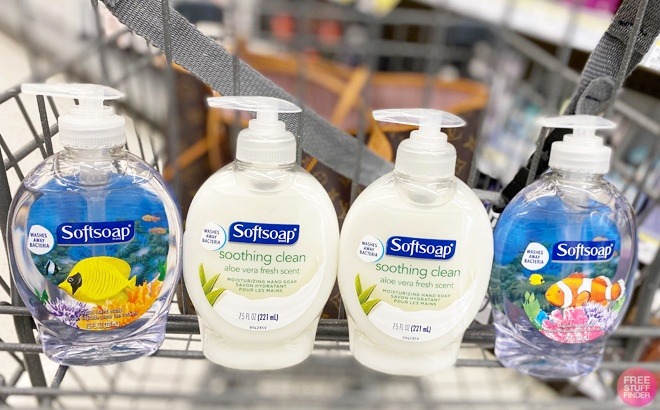
When a product is necessary in day-to-day life, consumers and producers often neglect aesthetics and specialty marketing and packaging. An example of this may be the Softsoap Brand, it produces things like liquid hand soap, body wash, etc. These items are vital to any household and since they must be purchased so frequently, consumers often pay no attention to their appearance. Their packaging is not hideous, but it is quite clear there is much less thought put into it, especially compared to a brand like rhode. Additionally, since producers know that these items are a necessity, they do not have to place as much effort into branding, packaging and marketing because they know consumers will buy them either way.
There are countless other factors that play into branding and how it affects consumers. Some examples of this may be psychological/emotional influence, identity, social status and environmental/ethical considerations. Rhode uses identity and social status to influence consumers as people typically want to buy into a luxury centered lifestyle or identity. Softsoap occasionally uses emotional influence when branding their products, with traditional holiday imagery, that could provide a feeling of nostalgia for consumers. Both brands take these factors into consideration, but it seems rhode uses them in their strategies more frequently.
There is a contrast between rhode and Softsoap, even if consumers do not notice the effect aesthetics have on their purchasing decisions. Ultimately, branding is not only selling products, but also a feeling, experience, status and identity.
Support Student Media
Hi! I’m Hannah Planey, A Magazine’s editor-in-chief. My staff and I are committed to bringing you the most important and entertaining news from the realms of fashion, beauty and culture. We are full-time students and hard-working journalists. While we get support from the student media fee and earned revenue such as advertising, both of those continue to decline. Your generous gift of any amount will help enhance our student experience as we grow into working professionals. Please go here to donate to A Magazine.