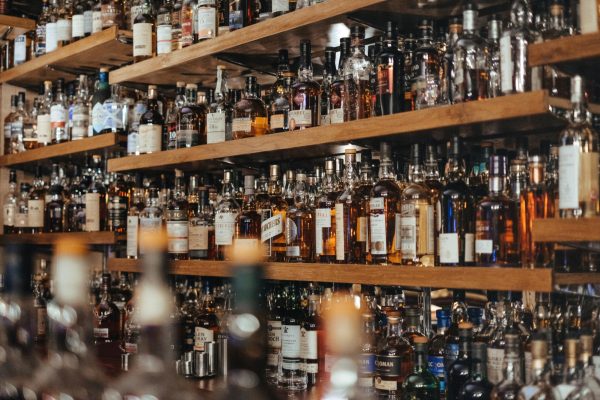
Drinking. A word that often springs to mind when your early twenties hit. Yet, research indicates that younger generations are rewriting social rules pertaining to drinking. Gone are the days when drinking was a non-negotiable way to go out and socialize. Today, millennials and Gen Z alike are becoming sober curious – a way to think about alcohol that doesn’t force total abstinence but rather a pause to think about your drinks.
The term sober curious was coined by Ruby Warrington, author of “Sober Curious: The Blissful Sleep, Greater Focus, Deep Connection and Limited Presence Awaiting Us All On The Other Side of Alcohol.” It captures the increasing trend of questioning one’s drinking habits without swearing off alcohol forever.
Addiction medicine specialist and director of Maplegrove Center and Addiction Medicine, Chris Nixon says that “The goal is to explore your relationship with alcohol, as well as the health and wellness perks that may stem from shifting your focus away from the bottle,” Nixon says. “And it stems, in part, from the Dry January movement.”
So, why is this buzzword becoming a cultural shift? For years, alcohol has been tightly intertwined within our culture—used to connect, celebrate, mourn and gather. But there is growing scientific research that shows the startling truth behind alcohol consumption. There is a cost, even if only drinking moderately. Consumption of moderate amounts of alcohol increases risks of cancer, heart disease and brain damage.
The National Cancer Institute reports that just one alcoholic drink a day raises the risk of several types of cancer. Meanwhile, the myth of the beneficial nature of alcohol towards cardiovascular health has been busted. “We now know that there’s a strong correlation between moderate alcohol use and cardiovascular issues,” says Nixon. Alcohol also has negative effects on mood, sleep quality and immune function. It seems to paint a clearer picture why many are choosing to cut back.
According to a 2025 Gallup poll, only 54% of U.S. adults under 35 now say they drink alcohol—down 72% from two decades ago. Among Gen Z, the drop is even more dramatic: data from Berenberg Research in 2022 found that Gen Z drinks 20% less per capita than millennials did at the same age. This no longer is just a trend, it’s an outright shift.
Curious about being sober? Nixon suggests starting by cutting your usual drinks down in a week, and seeing how you feel from there. Luckily many places serve alcohol-free drinks and mocktails for sober curious friends. Or, if you want to reframe your focus off of casual kickbacks at the bar, opt for a coffee shop or park where alcohol isn’t on the menu.
Another buzzword floating around the sober-ish sphere is California sober. Typically, California sober means abstaining from alcohol and harder drugs while continuing marijuana use. Cannabis has become more mainstream, especially as its legality spreads. However, cannabis is not without risks—it can affect cognition, memory and lung health if smoked, and can lead to dependency and anxiety.
The shift towards sobriety and harm reduction fits into a deepening wellness culture that prioritizes mental health, self-care and mindfulness. Younger generations are rejecting what is “normal” and forging futures that feel good for them.
Sober curiosity provides an opportunity to make choices that serve your health and happiness without all the guilt and shame. “With this movement, we’re really giving people permission to choose not to drink—to be sober curious,” said Nixon. That may just mean breaking up with the bottle.
Support Student Media
Hi! I’m Hannah Planey, A Magazine’s editor-in-chief. My staff and I are committed to bringing you the most important and entertaining news from the realms of fashion, beauty and culture. We are full-time students and hard-working journalists. While we get support from the student media fee and earned revenue such as advertising, both of those continue to decline. Your generous gift of any amount will help enhance our student experience as we grow into working professionals. Please go here to donate to A Magazine.